
The Rogue Prince of Persia: Charting Its Own Destiny Beyond Dead Cells’ Enduring Shadow







Popular Now
 Fall Guys
 R.E.P.O
Counter-Strike 2
R.E.P.O
Counter-Strike 2
 Warframe
 EA SPORT FC 25
 FIFA 23
 Valorant
 Rust
Rust
 Call of Duty
 Garena Free Fire: Kalahari
 In the vibrant, often cutthroat world of roguelite action-platformers, few titles cast a shadow as long and influential as Motion Twin and Evil Empire’s seminal work, Dead Cells. Its blend of relentless combat, fluid movement, and compelling meta-progression set a gold standard, inspiring countless imitators and successors. Now, Evil Empire, one of the key development teams behind Dead Cells’ post-launch success, has unveiled their latest creation: The Rogue Prince of Persia. While the immediate comparison to its spiritual predecessor is inevitable and even encouraged by the developers, the crucial question arises: can The Rogue Prince of Persia truly vault off Dead Cells’ towering legacy, or must it carve its own distinct identity?
From the outset, it’s clear that Evil Empire is leaning into their proven strengths. The side-scrolling perspective, the emphasis on rapid combat, and the procedural generation of levels immediately evoke a familiar sensation for anyone who has delved into the depths of Dead Cells’ cursed island. However, to view The Rogue Prince of Persia merely as a ‘Prince of Persia skin’ on the Dead Cells engine would be a disservice, overlooking its burgeoning ambition and unique design philosophies. The challenge for any new title, particularly one from a studio with such a celebrated pedigree, is to differentiate itself sufficiently to stand on its own merits, rather than perpetually existing in the shadow of past glories.
The Weight of Expectation: A Legacy to Overcome
The anticipation surrounding The Rogue Prince of Persia is palpable, largely fueled by Evil Empire’s involvement. Players expect the same level of polish, ingenious design, and addictive gameplay loop that defined Dead Cells. This creates a double-edged sword: immense interest but also an extremely high bar for innovation and execution. Early Access impressions often grapple with this dichotomy, celebrating familiar strengths while scrutinizing deviations.
- Shared DNA: Both titles thrive on responsive controls, a sense of urgency, and punishing difficulty that rewards mastery.
- Visual Cues: While distinct, the overall dynamism and expressiveness of character animations might trigger a sense of déjà vu for Dead Cells veterans.
- Procedural Generation: The core roguelite loop of run, die, upgrade, repeat is inherently similar, providing instant replay value.
However, The Rogue Prince of Persia, even in its nascent Early Access state, is making a concerted effort to establish its individuality. The most prominent departure lies in its core traversal mechanics and art direction, aiming to cultivate a unique player experience that justifies its existence as more than just a spiritual sequel.
 Vaulting into a New Identity: The Art of Distinction
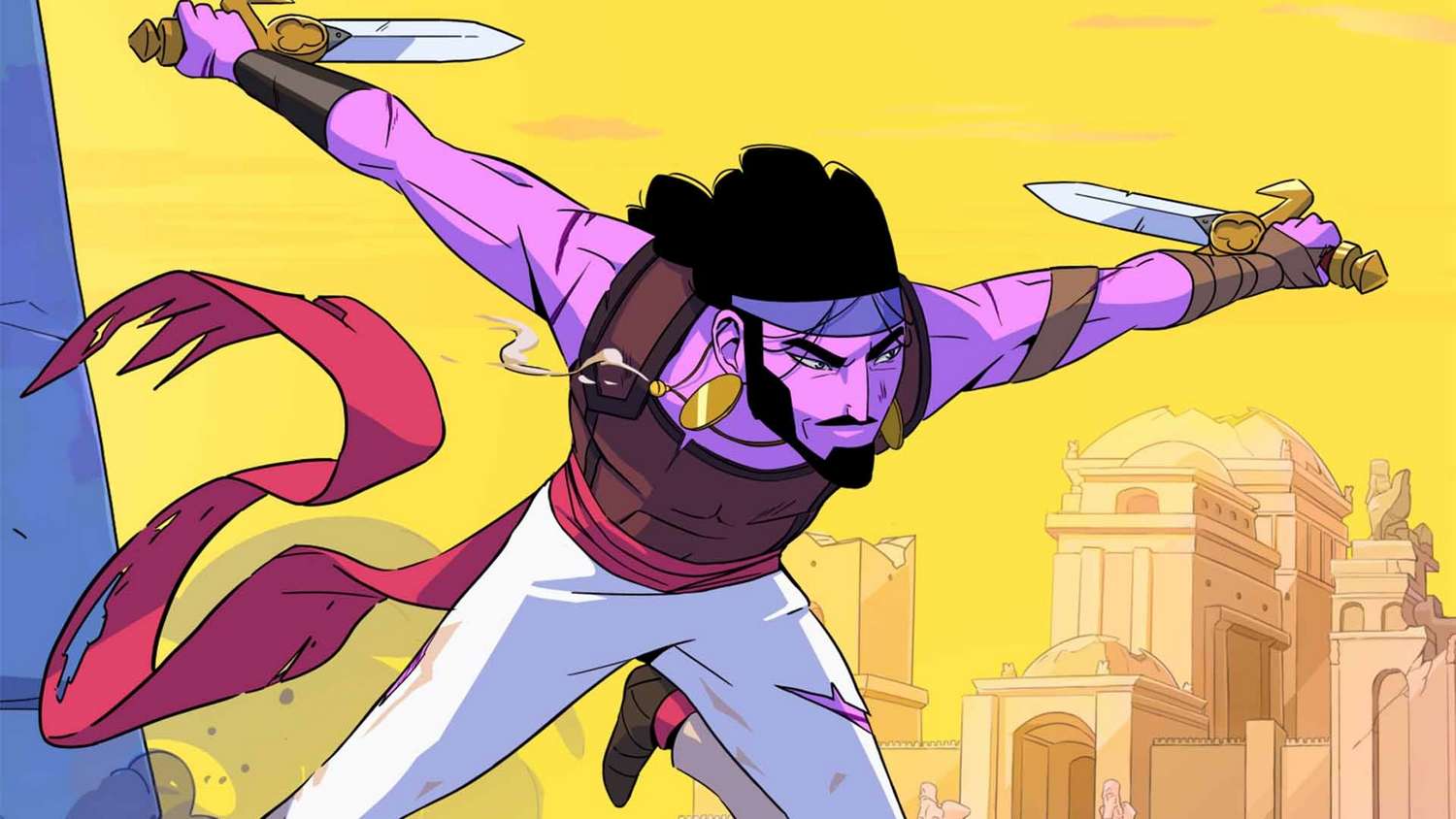
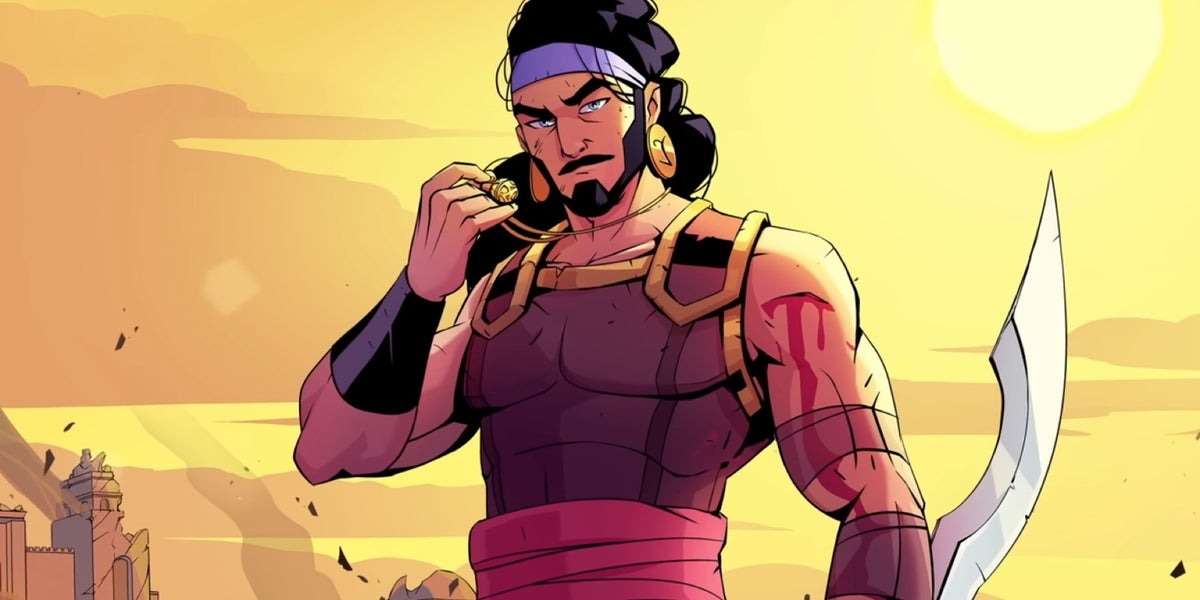
Where The Rogue Prince of Persia truly begins to forge its own identity is in its bold artistic choices and a fundamental shift in its movement philosophy. Gone is Dead Cells’ pixel-art charm; in its place is a striking Franco-Belgian comic book aesthetic, a vibrant, hand-drawn style that pops with color and character. This visual departure isn’t just cosmetic; it informs the entire game’s atmosphere and thematic presentation, creating a fresh canvas for its mechanics.
A Focus on Fluid Platforming
Perhaps the most significant mechanical divergence from Dead Cells is the pronounced emphasis on traversal. While Dead Cells certainly had its platforming elements, movement was largely in service of combat, enabling tactical positioning and dodging. The Rogue Prince of Persia, by contrast, elevates wall-running, acrobatic leaps, and environmental interactions to a central pillar of its gameplay. This isn’t just about reaching new areas; it’s an integral part of the combat flow and puzzle-solving. The Prince’s ability to seamlessly wall-run, cling to ledges, and navigate complex environments is reminiscent of classic Prince of Persia titles, but infused with a roguelite dynamism.
This increased emphasis on parkour means:
- Verticality: Levels are designed with a greater degree of verticality, encouraging players to look for alternative paths and utilize their acrobatic prowess.
- Combat Integration: Wall-runs can lead directly into aerial attacks, providing new tactical options in engagements. Environmental hazards can be turned into advantages with clever movement.
- Pacing: The pacing feels different. While still fast, there’s a distinct rhythm established by chaining movement abilities, creating a sense of graceful flow that complements the combat rather than being secondary to it.
Evolving Combat: More Than Just Dodging and Striking
While still featuring swift, responsive combat, The Rogue Prince of Persia introduces its own nuances. Weapons, for instance, have distinct feels and often come with unique properties or secondary functions. The combat system, while undeniably familiar in its execution, leans into the acrobatic capabilities of the Prince. The synergy between movement and attack is more pronounced, allowing for creative approaches to enemy encounters.
The game also introduces the concept of medallions, which are passive buffs found throughout a run, offering diverse strategic choices that can drastically alter gameplay. This system offers a compelling layer of customization and build variety, an essential component for long-term engagement in any roguelite title. Crafting effective synergies between weapons, medallions, and traversal skills becomes the key to survival.
Navigating Early Access: The Road to Distinction
As an Early Access title, The Rogue Prince of Persia is a work in progress, its full potential yet to be realized. This phase is crucial for Evil Empire to listen to community feedback, iterate on mechanics, and continue to refine its unique selling propositions. The development team has a golden opportunity to solidify the game’s identity, ensuring it doesn’t merely ride on the coattails of its predecessor but stands tall on its own two feet.
Key areas for growth during Early Access:
- Content Expansion: Introducing new biomes, enemies, bosses, weapons, and medallions will be vital to maintain player interest and expand strategic depth.
- Meta-Progression Refinement: Ensuring the long-term progression system feels rewarding and impactful, providing tangible goals beyond individual runs. This is critical for player retention and perceived value.
- Balancing: Fine-tuning the difficulty curve and ensuring fair, challenging encounters across all levels of play.
- Bug Fixes & Performance: Optimizing the game for a broad range of PC specifications is paramount for a smooth player experience.
The journey from Early Access to a full release is a marathon, not a sprint. The success of The Rogue Prince of Persia hinges on Evil Empire’s ability to not only deliver on the high expectations set by Dead Cells but also to innovate and diverge where necessary. The gaming community is always hungry for fresh experiences, and while familiarity can be comforting, true distinction is what fosters enduring legacies.
 The Verdict: A Promising Contender Forging Its Own Path
In conclusion, The Rogue Prince of Persia cannot, and frankly, should not, fully vault off of Dead Cells’ legacy. While it undeniably inherits a rich design philosophy and core gameplay loop from its spiritual predecessor, its unique artistic direction and profound emphasis on acrobatic traversal are significant steps towards carving its own niche. It’s a game that respects its heritage but is not afraid to explore new horizons within the roguelite genre. Early Access presents an exciting opportunity for Evil Empire to truly cement The Rogue Prince of Persia’s identity, proving that a studio can create multiple masterpieces, each with its own compelling voice and innovative mechanics.
For fans of challenging action-platformers and roguelites, The Rogue Prince of Persia offers a fresh perspective with deep gameplay and high replay value. Its promising start indicates a future where it stands as a celebrated title in its own right, a testament to both its roots and its ambition to forge a distinct and memorable gaming experience.