
The Outer Worlds 2: Unveiling a Mastermind Villain Through a High-Stakes Museum Heist – What This Means for the Sci-Fi RPG Sequel










Popular Now
 Auto X Drift Racing 3
 The Legend of Zelda
 Grand Theft Auto VI
 Roblox
 Toca Boca World
 PUBG Mobile
 Among Us
 Geometry Dash
 Schedule I
 NBA 2K24
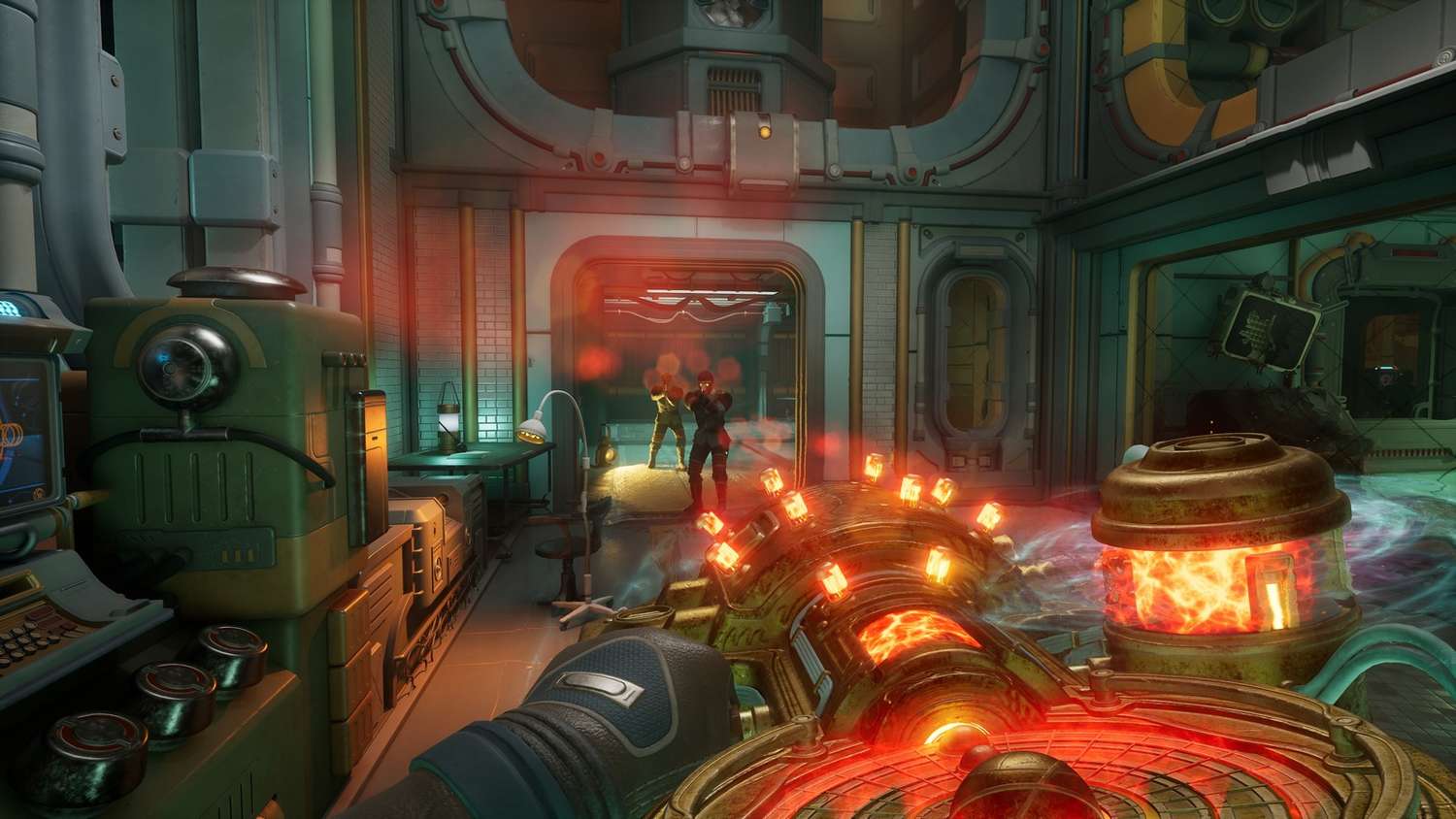 Anticipation for The Outer Worlds 2, Obsidian Entertainment’s highly-anticipated sequel to its critically acclaimed satirical sci-fi RPG, has reached a fever pitch. Recent whispers from industry insiders and speculative leaks suggest a truly audacious introduction for the game’s primary antagonist: a meticulously orchestrated museum heist. This innovative approach to a villain reveal promises not only to set a formidable precedent for the sequel’s narrative ambition but also to deeply influence gameplay mechanics, player choice, and the overarching tone of the next great adventure in the Halcyon colony. Such a dynamic opening could redefine player expectations for character introductions in the expansive world of next-gen RPGs.
The original The Outer Worlds captivated players with its sharp wit, compelling companions, and a darkly humorous critique of corporate capitalism. Its blend of traditional RPG elements with a distinct narrative voice earned it widespread praise and a dedicated fanbase eager for more. The prospect of a villain introduced not through a cutscene monologue but through a proactive, impactful criminal act immediately raises the stakes and suggests a more intricate, proactive antagonist than its predecessor. This isn’t just a character; it’s a force already in motion, disrupting the status quo before the player even fully grasps their motivations.
The Strategic Brilliance of a Museum Heist Villain Introduction
Introducing a villain via a museum heist is a stroke of narrative genius for several reasons. Firstly, it immediately establishes the antagonist’s capabilities and intellect. A successful heist of priceless artifacts implies meticulous planning, a network of resources, and a certain level of daring that sets them apart from typical corporate drones or generic raiders. This villain isn’t merely a figurehead but an active, cunning individual or organization capable of significant disruption. For players, this translates into an immediate understanding that they are up against a formidable foe, one that demands strategic thinking and careful consideration in their own actions.
Secondly, a museum heist intrinsically ties the villain’s actions to the game world’s lore and history. What artifacts are stolen? Do they hold historical significance to the corporations, or perhaps to the forgotten fringes of society within the Halcyon system? The nature of the stolen goods could hint at the villain’s ultimate goals – are they seeking power, knowledge, a means to expose corporate secrets, or simply collecting valuable items for personal gain? This method of introduction serves as a potent storytelling device, embedding clues about the overarching plot and the antagonist’s philosophy directly into the initial narrative hook. It’s a subtle yet powerful way to expand on the rich lore that Obsidian is known for creating.
- Establishes Power: Demonstrates the villain’s reach and tactical prowess without exposition.
- Foreshadows Plot: The nature of the stolen items can hint at deeper narrative arcs and motivations.
- Engages Players: Creates immediate intrigue and a clear objective for the protagonist to pursue.
- Deepens Lore: Integrates the antagonist’s actions directly into the historical and cultural fabric of the game world.
 Impact on Gameplay, Player Choice, and Narrative Depth
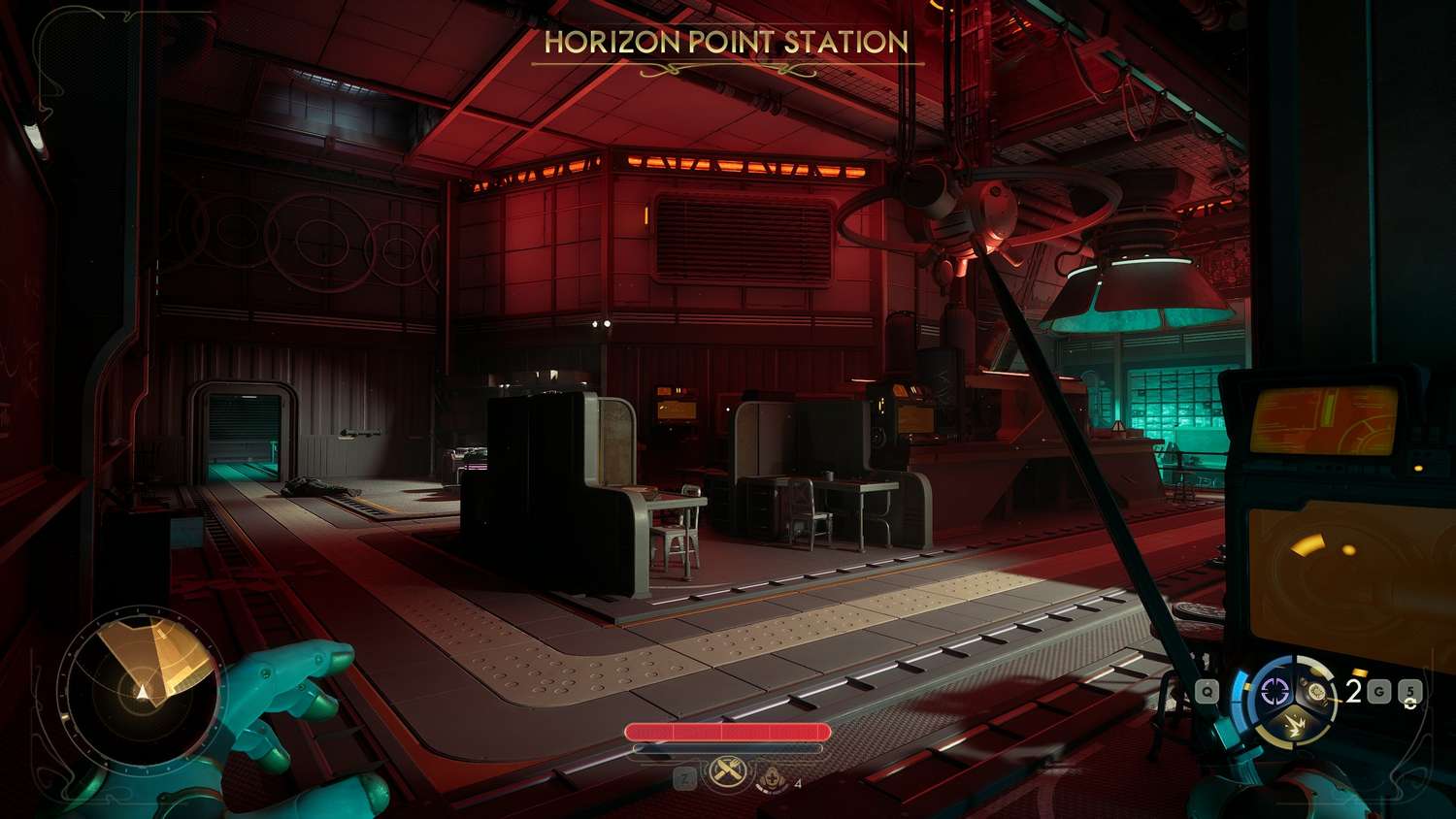
This innovative villain reveal is poised to have significant ramifications for The Outer Worlds 2’s gameplay mechanics and the depth of its narrative. Players might find themselves immediately thrust into a mystery, tasked with tracking down leads, investigating crime scenes, and perhaps even deciding whether to aid authorities or exploit the chaos for their own gain. This dynamic opening could branch into early game quests that are less about ‘go here, kill this’ and more about ‘investigate this, deduce that,’ offering a fresh take on typical RPG quest design.
The implications for player choice are equally profound. Will players be given the option to recover the stolen items, potentially siding with the established powers, or will they be tempted to understand, or even align with, the villain’s motives if their actions are perceived as striking a blow against the corrupt corporations of Halcyon? This type of moral ambiguity is a cornerstone of Obsidian’s narrative design, and a villain introduced through an act of public defiance or calculated sabotage perfectly sets the stage for complex ethical dilemmas.
Furthermore, this kind of antagonist could force players to confront uncomfortable truths about the world of The Outer Worlds. If the villain is stealing artifacts that expose corporate hypocrisy or past atrocities, it could push the player character into a position where they must question the very foundations of the society they inhabit. This narrative depth is crucial for a high-quality RPG experience and could lead to some truly memorable story arcs and difficult decisions that resonate long after the credits roll. The potential for a compelling antagonist who isn’t simply ‘evil’ but rather ‘misguided’ or ‘extreme’ in their methods, even if their goals are righteous, is immense.
 Setting the Bar for Sci-Fi RPGs and High-CPC Content
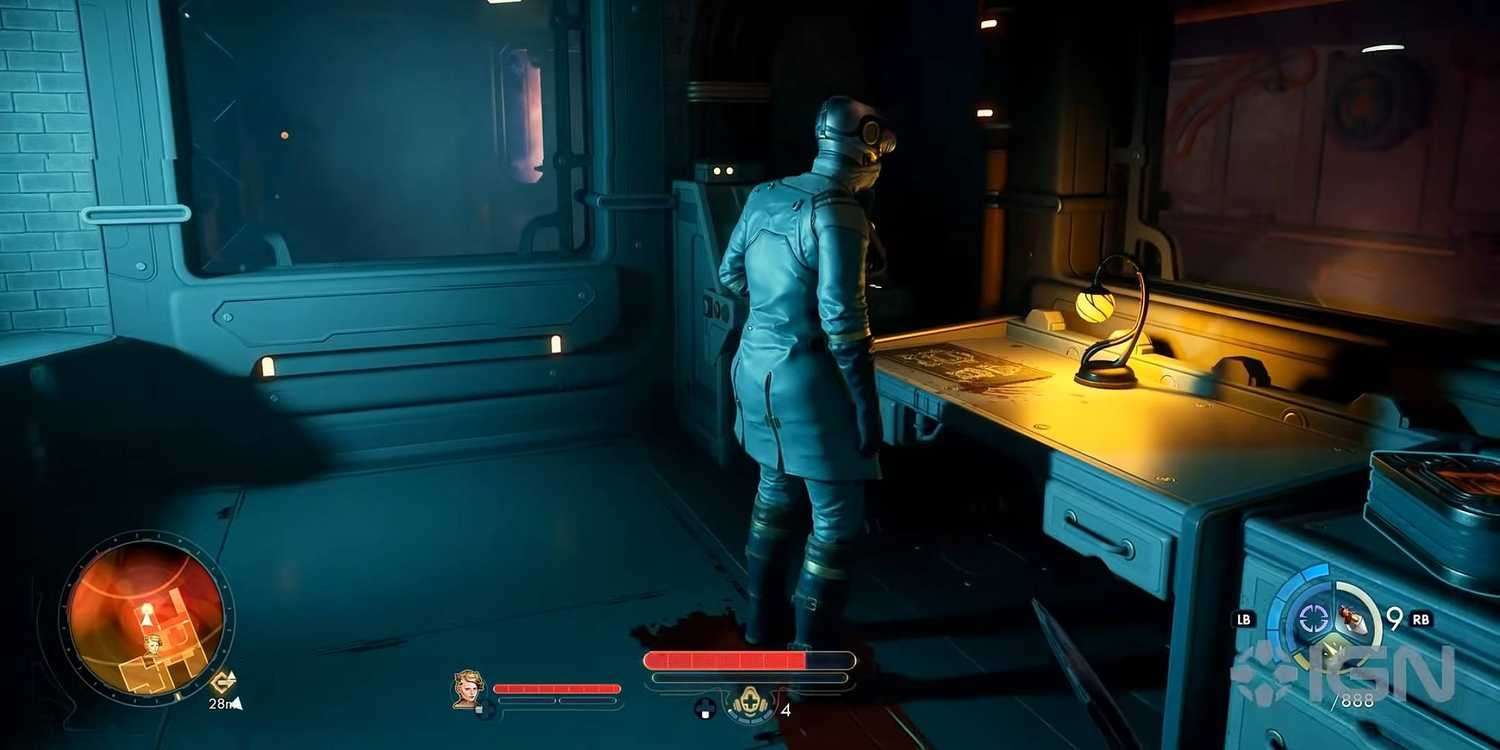
For gamers eagerly awaiting The Outer Worlds 2, this potential villain introduction signals a bold step forward for the franchise. It suggests that Obsidian is not content to rest on its laurels but is actively seeking to innovate within the sci-fi RPG genre. A well-crafted antagonist is often the backbone of a great story, and starting with such a powerful, action-oriented reveal immediately positions the villain as a central, driving force of the entire experience. This kind of nuanced storytelling provides excellent fodder for game reviews and critical analysis, often leading to higher engagement and a more robust conversation within the gaming community.
From an SEO perspective, the phrase ‘museum heist’ itself is incredibly evocative and keyword-rich, drawing interest from various niches beyond just gaming, including true crime and art history enthusiasts, potentially expanding the reach of news about The Outer Worlds 2. Coupled with keywords like ‘upcoming RPGs,’ ‘best sci-fi games,’ ‘Obsidian Entertainment news,’ and ‘Xbox Game Pass titles‘ (given Microsoft’s acquisition of Obsidian), this narrative direction is primed for high visibility and engagement. The ongoing development of The Outer Worlds 2 is a prime topic for gaming news sites looking to capture the attention of a dedicated and growing audience.
Ultimately, whether through official channels or leaked information, the suggestion of a museum heist villain reveal for The Outer Worlds 2 is incredibly exciting. It promises a sophisticated, proactive antagonist that will challenge players not just in combat, but morally and intellectually. This approach is precisely what fans have come to expect from Obsidian Entertainment: innovative storytelling, profound player choice, and a world brimming with satirical charm and dangerous intrigue. The stage is being set for an unforgettable return to the Halcyon system, where the line between hero and villain is often as blurry as the corporate ethics they rail against. Gamers should keep a close eye on further announcements, as the cosmic journey of The Outer Worlds 2 promises to be a standout title in the competitive landscape of next-generation gaming.