
The Identity Crisis of E3: Shawn Layden on the “Lost Relevancy” of the World’s Biggest Game Show







Popular Now
 Toca Boca World
 Black Myth: Wukong
 Warframe
 Grand Theft Auto VI
 Candy Crush Saga
 R.E.P.O
 Fortnite
 BeamNG.drive
 League of Legends
 Fall Guys
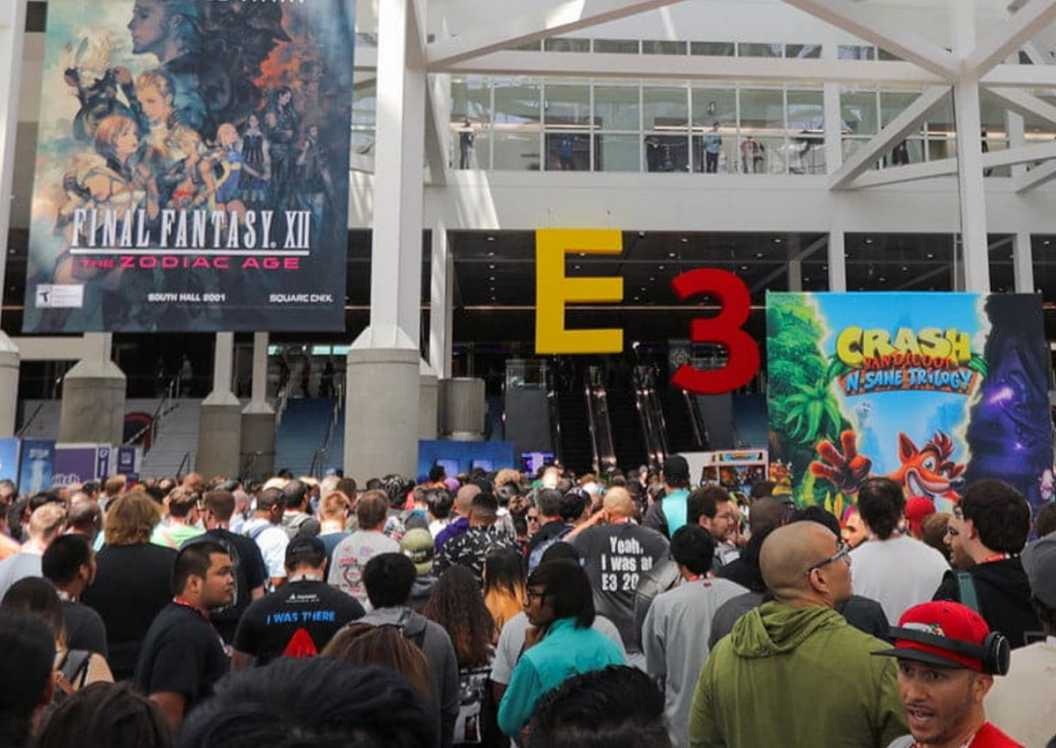
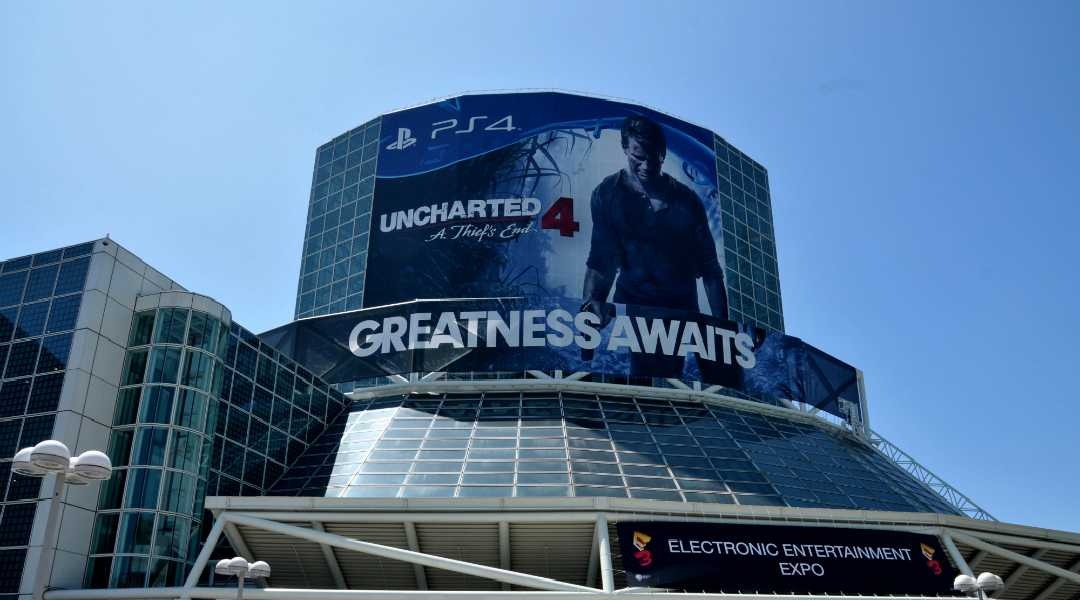
In the final days of 2025, former Sony Interactive Entertainment Chairman Shawn Layden has reignited discussions about the collapse of the Electronic Entertainment Expo (E3). In a retrospective interview, Layden provided a blunt assessment of why the once-mighty trade show finally met its permanent end, stating that toward its final years, the event “didn’t know what it wanted to be.”
Layden, who was famously at the helm when Sony first decided to skip E3 in 2019, argues that the show’s failure to adapt to a 24/7 digital news cycle and its internal struggle between being a “trade” event and a “fan” festival created a vacuum that competitors like Summer Game Fest were all too happy to fill.
1. The “Trade Show Without Trade” Problem
Layden’s primary critique centers on the fact that E3’s original purpose—connecting developers with retailers and journalists—had become obsolete.1
-
The Retail Shift: In the 1990s, E3 was held in June so retailers (like Sears or Toys “R” Us) could decide which games to stock for Christmas. Today, those purchasing decisions are made as early as February.2
-
The Death of “Lead Time”: Before the internet, E3 was where journalists gathered information for physical magazines with months-long lead times. Now, with 24/7 news and official social media reveals, a centralized June event has lost its gatekeeping power.3
-
The Quote: “The world has changed, but E3 hasn’t necessarily changed with it.4 It became a trade show without a lot of trade activity.”
2. Caught Between Two Worlds
According to Layden, the ESA (Entertainment Software Association) suffered from an identity crisis. E3 spent its final decade trying to serve two masters: the industry professional and the public fan.
| Event Type | Optimized For… | E3’s Approach |
| Trade Show | Business meetings, networking, and “behind-closed-doors” demos. | Slowly dying as publishers moved to private events (e.g., Destination PlayStation). |
| Fan Festival | Hands-on play, panels, and community energy (e.g., PAX, Gamescom). | Tried to pivot too late; fans were often met with long lines and “corporate” booths. |
Layden believes that if E3 had committed fully to being a “Fan Festival” similar to Comic-Con, it might have survived. Instead, it stayed in a “middle ground” where neither group felt fully catered to.
3. The Rise of “Fewer, Bigger, Better”
Another nail in the coffin was a shift in how games are made. Layden noted that Sony’s strategy moved toward “fewer games, bigger games, over longer periods of time.”5
-
The Expectation Trap: If a company shows up at E3, fans expect a “megaton” announcement.
-
The Reality: AAA development cycles now span 5–7 years. A publisher may literally have nothing new to say for three consecutive summers.
-
The Result: Rather than “ringing the bell” at E3 and disappointing fans, giants like Sony and Nintendo found it more efficient to host their own State of Play or Direct broadcasts on their own timelines.
4. E3 2013: The Last “Great” Moment?
In his reflection, Layden often points back to the PS4 vs. Xbox One showdown in 2013 as the peak of the show’s relevance. It was the last time the “spectacle” of E3 truly dictated the narrative of an entire console generation. Since then, the decentralization of marketing has made such a “winner-take-all” moment impossible.
Conclusion: A Cultural Hole That Can’t Be Filled
While Layden is realistic about the business failures of E3, he admits that the industry has lost its “Christmas morning.” Without a single, unified week where the world focuses on gaming, the community has become segmented. Geoff Keighley’s Summer Game Fest has inherited the crown, but as Layden suggests, it lacks the concentrated “levy” of the old E3—a trade show that defined the industry because, for better or worse, everyone had to be there.
Sources and References:
GamesIndustry.biz – “Shawn Layden: The World Has Changed, E3 Hasn’t” (Updated Dec 2025).
Eurogamer – “The Big PlayStation 30th Anniversary Interview” (Dec 3, 2025).
Game Developer – “Layden Blasts Rising Costs and Lack of Industry Relevancy” (Oct 2025).