
The Enduring Appeal: Heroes of Might and Magic’s Classic Formula Returns with Strategic Depth and Nostalgic Grandeur









Popular Now
 R.E.P.O
 Candy Crush Saga
 PUBG Mobile
 FIFA 23
 Valorant
 Poppy Playtime
 The Legend of Zelda
 Toca Boca World
 Schedule I
 NBA 2K24
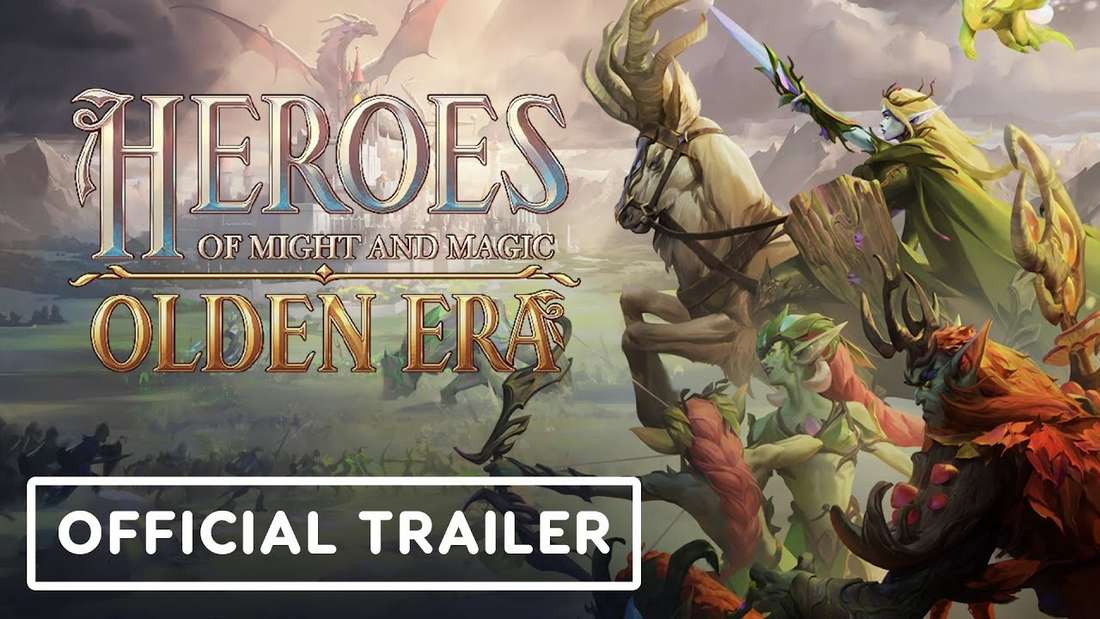 In the ever-evolving landscape of video games, where hyper-realistic graphics and fast-paced action often dominate, there remains a deep, resonant craving for the methodical, turn-based strategic depth that defined an era. The celebrated Heroes of Might and Magic (HoMM) franchise, particularly its early iterations, stands as a testament to this enduring appeal. For many long-time enthusiasts and a new generation of strategy aficionados, the true ‘pipe-and-slippers glory’ of HoMM is not merely a bygone memory but a vibrant, re-emerging force in the modern gaming market.
This resurgence isn’t necessarily about a single new blockbuster title bearing the exact HoMM moniker, but rather a powerful trend driven by spiritual successors, dedicated remasters, and indie developers who understand the intricate alchemy that made the original games iconic. These titles are not just paying homage; they are meticulously crafting experiences that replicate and even enhance the core gameplay loop of strategic exploration, resource management, intricate town building, and tactical turn-based combat, all underpinned by compelling hero progression and a rich fantasy lore.
The Core Philosophy: Why HoMM’s Formula Resonates
To understand the current revival, one must first dissect the fundamental elements that cemented HoMM’s legendary status. At its heart, HoMM offered a near-perfect blend of role-playing game (RPG) elements with a grand turn-based strategy framework. Players weren’t just moving armies; they were guiding powerful heroes, each with unique skills, spells, and artifacts, across vast, lore-rich maps. These heroes would recruit diverse creatures, conquer mines and towns, uncover hidden treasures, and ultimately engage in climactic battles against rival heroes.
The ‘pipe-and-slippers’ aspect refers to the comfortable, almost ritualistic pace of gameplay. It’s a game you can sink into for hours, thoughtfully planning your next move, savoring the slow burn of strategic advantage, rather than reacting reflexively. This kind of thoughtful engagement offers a profound sense of satisfaction and long-term engagement that many contemporary titles struggle to replicate. The feeling of meticulously building up an insurmountable army, upgrading your castles, and mastering complex spell combinations offered an unparalleled sense of accomplishment. This deep, tactical gameplay loop remains a high-value proposition for discerning gamers.
 Spiritual Successors and Modern Adaptations: A New Dawn
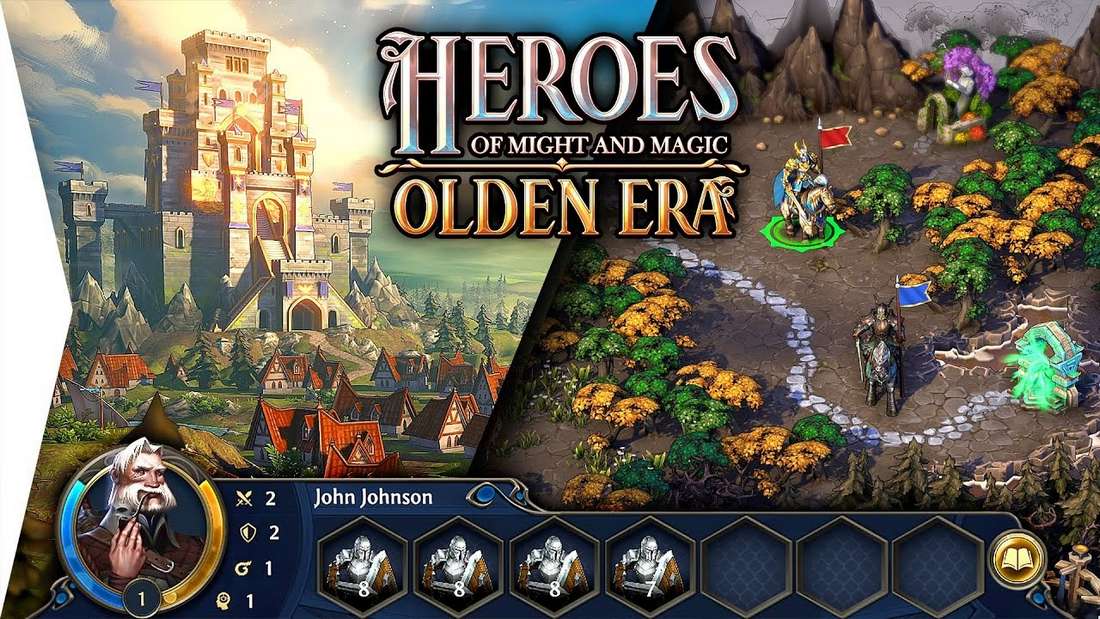
While official sequels under the HoMM banner have had a mixed reception in recent years, the spirit of the original games lives on vibrantly through titles that bravely pick up the torch. Games like Songs of Conquest, for instance, have been lauded for capturing the essence of the classic HoMM experience, presenting it with a fresh coat of paint and thoughtful modernizations. These titles often feature:
- Pixel-perfect or stylized graphics: Balancing nostalgic charm with contemporary aesthetics.
- Robust campaign modes: Offering narrative depth and challenging strategic scenarios.
- Deep hero progression: Extensive skill trees, artifact systems, and spell acquisition.
- Varied factions: Each with unique units, town aesthetics, and strategic advantages.
- Engaging exploration: World maps filled with points of interest, resources, and lore.
- Tactical combat: Grid-based battles demanding careful unit placement and spell usage.
The success of these spiritual successors underscores a significant market demand for this specific genre. Publishers and developers are increasingly recognizing that there’s a lucrative niche for well-crafted, deep strategy games that don’t necessarily chase the latest graphical fads but instead focus on proven, engaging mechanics. This trend provides excellent value for players looking for substantial content and high replayability.
Reviewing the Core Experience: What Makes Them Great?
When reviewing these modern takes on the classic HoMM formula, several key areas consistently stand out as critical indicators of their success:
Strategic Depth and Decision-Making
The hallmark of a great HoMM-style game is the constant stream of meaningful decisions. From prioritizing town upgrades and resource allocation to choosing the optimal hero path and unit compositions, every turn presents choices with tangible consequences. The best games in this genre reward foresight and adaptability, encouraging players to think several moves ahead. The intricate web of unit strengths and weaknesses, coupled with hero abilities and map objectives, ensures that each encounter, whether on the adventure map or in tactical combat, feels unique and challenging. This intellectual engagement is a powerful driver of long-term player retention and positive critical reception.
Faction Diversity and Asymmetrical Gameplay
A crucial element that contributes to the high replayability of HoMM and its brethren is the distinctiveness of its factions. Each faction should offer a unique playstyle, unit roster, and strategic advantage, forcing players to adapt their tactics. For example, some factions might excel in early aggression, while others thrive on turtling and late-game power spikes. This asymmetrical design not only adds immense replay value but also caters to different player preferences, ensuring that a significant portion of the gaming audience finds a faction that resonates with their preferred strategy. Investing in such diverse design elements significantly boosts the commercial viability and market reach of these titles.
World Exploration and Sense of Discovery
The adventure map is more than just a means to traverse between points; it’s a character in itself. A well-designed map is brimming with secrets, powerful artifacts, resource nodes, and neutral creature dwellings waiting to be conquered or recruited. The joy of uncovering a hidden treasure or stumbling upon a powerful upgrade contributes immensely to the ‘pipe-and-slippers’ escapism. It fuels the desire to explore just one more turn, to uncover just one more corner of the map, and often leads to unexpected strategic opportunities or challenges. This carefully crafted sense of discovery is a potent engagement tool, enhancing the overall player experience.
Tactical Turn-Based Combat
While the adventure map provides the strategic overview, the grid-based combat is where the tactical rubber meets the road. The ability to position units, utilize hero spells, and exploit terrain advantages transforms each battle into a puzzle. A truly excellent HoMM-style combat system allows for creative solutions and rewards intelligent play over brute force, even when facing superior numbers. Animation quality, clear user interfaces, and satisfying sound design during these battles further elevate the experience, making each victory feel hard-earned and impactful. This blend of strategy and tactics is a cornerstone of the genre’s enduring appeal.
 The Future of Fantasy Strategy Gaming
The renewed enthusiasm for classic HoMM-style gameplay is more than just nostalgia; it’s a testament to timeless game design principles. Developers are learning that deep, satisfying mechanics, coupled with a rich fantasy setting, can create immensely popular and critically acclaimed titles. The market for strategy games continues to grow, and titles that offer significant depth and replayability are proving to be shrewd investments for both players and publishers.
As digital distribution platforms make it easier for indie studios to reach wider audiences, we are likely to see even more innovation within this beloved genre. The ‘pipe-and-slippers glory’ of Heroes of Might and Magic is not just back; it’s evolving, adapting, and proving that sometimes, the most engaging experiences are those that encourage thoughtful planning, strategic mastery, and a comfortable, immersive journey into a fantasy world all your own. For fans of classic PC gaming and those seeking rich strategic entertainment, the future of this beloved genre appears brighter than ever, offering countless hours of high-value gameplay and deep strategic satisfaction.