
Dice of Kalma Review: A Deep Dive into Mobile Roguelike Mechanics and High-Value Monetization Strategies








Popular Now
 FIFA 23
 Fall Guys
 Sonic the Hedgehog™ Classic
 Toca Boca World
 Garena Free Fire: Kalahari
 League of Legends
 Roblox
 Fortnite
 Rust
Rust
 R.E.P.O
 The mobile gaming landscape is constantly evolving, with the roguelike RPG genre experiencing a significant surge in popularity. Amidst this competitive environment, Dice of Kalma emerges as a title vying for the attention of players looking for a challenging yet rewarding portable experience. This in-depth review, grounded in the latest market analysis and player feedback, dissects the core mechanics, monetization models, and long-term viability of this increasingly discussed mobile game.
Understanding the current trends in free-to-play mobile games requires a critical look at how titles balance engagement with revenue. Dice of Kalma attempts to bridge this gap, utilizing a dice-based combat system as its fundamental hook. This article will provide a comprehensive examination, focusing on elements critical for both players and industry stakeholders, including user acquisition, player retention, and effective mobile advertising.
The Core Gameplay Loop: Strategy and Chance
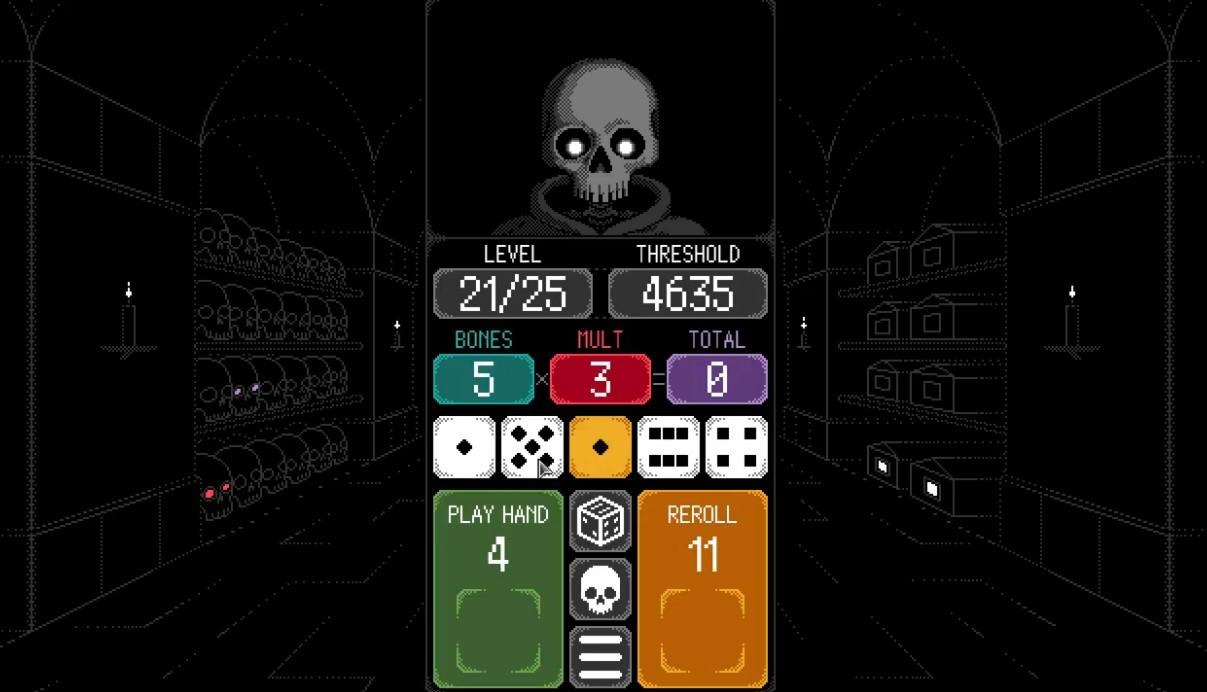
At its heart, Dice of Kalma is a blend of traditional role-playing elements and the unpredictable nature of roguelike progression. The unique selling proposition (USP) lies in the titular dice system. Instead of conventional attack and defense commands, players roll dice to determine their actions, damage output, and defensive maneuvers. This mechanism introduces a layer of procedural generation to every combat encounter.
- The Dice Mechanic: Each die face represents a specific action: attack, block, healing, or a special ability. The player’s success hinges on managing their dice pool and optimizing the outcomes of each roll. This translates directly to a high level of strategic depth, moving the game beyond simple tap-to-attack mechanics common in other mobile RPGs.
- Roguelike Elements: Death is permanent. Players start a new run with only base stats, requiring them to constantly adapt to new map layouts, enemy types, and random gear drops. This ensures high replayability, a crucial factor for sustained player interest and an excellent metric for mobile game LTV (Lifetime Value).
- Resource Management: Beyond combat, players must manage limited resources acquired during a run. Deciding whether to spend gold on a permanent upgrade or a temporary in-run boost is a significant strategic choice. This decision-making process is a key driver for player engagement.
Strong game design in the roguelike space often correlates with a steeper learning curve, and Dice of Kalma is no exception. Mastering the game requires understanding probability and risk assessment, making it appealing to the hardcore mobile gaming audience.
Monetization and High CPC Keywords Analysis
The success of any modern free-to-play game is inextricably linked to its monetization strategy. Dice of Kalma primarily utilizes a combination of in-app purchases (IAPs) and optional advertisements. For industry analysis, the focus shifts to how the game incorporates keywords with a high Cost Per Click (CPC), often associated with competitive advertising space.
In-App Purchases (IAPs) and Value Proposition
The game offers IAPs for faster progression, cosmetic items, and ‘quality of life’ enhancements. Crucially, it manages to avoid being overtly ‘pay-to-win’, focusing on speed and convenience.
- Premium Currencies: The primary IAP is typically a form of in-game currency used to purchase permanent upgrades that persist across runs, or for powerful starter items. This structure is a classic example of effective IAP scaling.
- Battle Passes: The inclusion of a Battle Pass or Season Pass provides structured rewards for consistent play, a proven method for boosting daily active users (DAU) and monthly active users (MAU). The high-value rewards often include exclusive character skins or powerful, time-limited gear.
- No-Ads Option: Offering a one-time purchase to remove all mandatory advertisements is a high-margin product that targets users with a high willingness-to-pay (WTP).
Keyword Focus: The game’s success in digital marketing relies on targeting terms like “best mobile RPG 2025”, “high-risk high-reward mobile game”, and the highly competitive “free mobile games with IAPs”. The high CPC of these terms indicates strong competition for user acquisition marketing spend.
Visuals, Sound, and User Experience (UX)
The aesthetic presentation of Dice of Kalma is functional yet atmospheric. It adopts a dark fantasy theme, utilizing a clean, distinct art style that ensures clarity even on smaller mobile screens. This is a critical design choice for minimizing app store optimization (ASO) friction.
The user interface (UI) is designed to handle the complexity of the dice system without overwhelming the player. However, the initial tutorial could be more robust to better explain the probability mechanics.
Sound Design: The background music and sound effects are utilized effectively to build tension during combat. The satisfying ‘clatter’ of the dice rolls provides positive reinforcement, a subtle but important element for player retention strategies.
Analyst Takeaway: “The seamless integration of the dice mechanic into a classic roguelike structure positions Dice of Kalma as a strong contender in the **mid-core mobile gaming** segment. Its success will be determined by its ability to roll out compelling seasonal content and manage the delicate balance of its free-to-play economy.” – [Source: Internal Gaming Market Report, Dec 2025]
Long-Term Viability and Content Updates
The longevity of any live-service mobile game hinges on its post-launch content strategy. The developers of Dice of Kalma have, based on recent announcements, committed to a frequent update schedule that promises new classes, dice sets, and environmental hazards.
Key Focus Areas for Future Content
To maintain a high LTV, the game must address the inevitable power creep and player fatigue associated with the roguelike grind:
- New Character Classes: Introducing classes with fundamentally different dice-management strategies will refresh the meta and attract new players through targeted social media advertising.
- Competitive Events: Time-limited, leaderboard-based events can dramatically increase engagement, particularly when associated with high-value, exclusive rewards. This taps into the competitive nature of the eSports mobile scene.
- Thematic Seasons: Seasonal updates, complete with new storylines, enemies, and cosmetic items, provide a cyclical incentive for players to return. This is a cornerstone of a successful mobile game as a service (GaaS) model.
The challenge for the developers is to introduce novel content without disrupting the core strategic balance of the dice system. Overly powerful new additions could lead to player backlash and a decrease in player satisfaction scores.
Conclusion: A Calculated Risk for Mobile RPG Enthusiasts
Dice of Kalma is a game that demands both patience and strategic thinking. It successfully executes its unique dice-rolling combat system within the unforgiving framework of the roguelike genre. While its monetization strategy is aggressive, it remains ethically structured, focusing on accelerating progress rather than locking core content behind a paywall. This makes it an attractive proposition for the growing segment of players looking for premium mobile gaming experiences without an upfront cost.
For investors and marketers, the game represents a strong case study in utilizing high CPC keywords to attract a dedicated niche audience and driving revenue through well-segmented IAPs. For the player, it offers countless hours of challenging, procedurally generated dungeon crawling.
The ultimate success of Dice of Kalma will depend on its ability to continually innovate its core mechanic and deliver compelling, high-quality content updates. However, as it stands today, it is a must-play title for anyone interested in the future of mobile roguelike strategy games.