
Edgar Wright’s Vision: Revitalizing Stephen King’s ‘The Running Man’ for Our Surveillance Economy Era









Popular Now
 Among Us
 Grand Theft Auto VI
 FIFA 23
 Brawl Stars
 Call of Duty
 Garena Free Fire: Kalahari
Counter-Strike 2
Garena Free Fire: Kalahari
Counter-Strike 2
 Free Fire Max
 Sonic the Hedgehog™ Classic
 Black Myth: Wukong
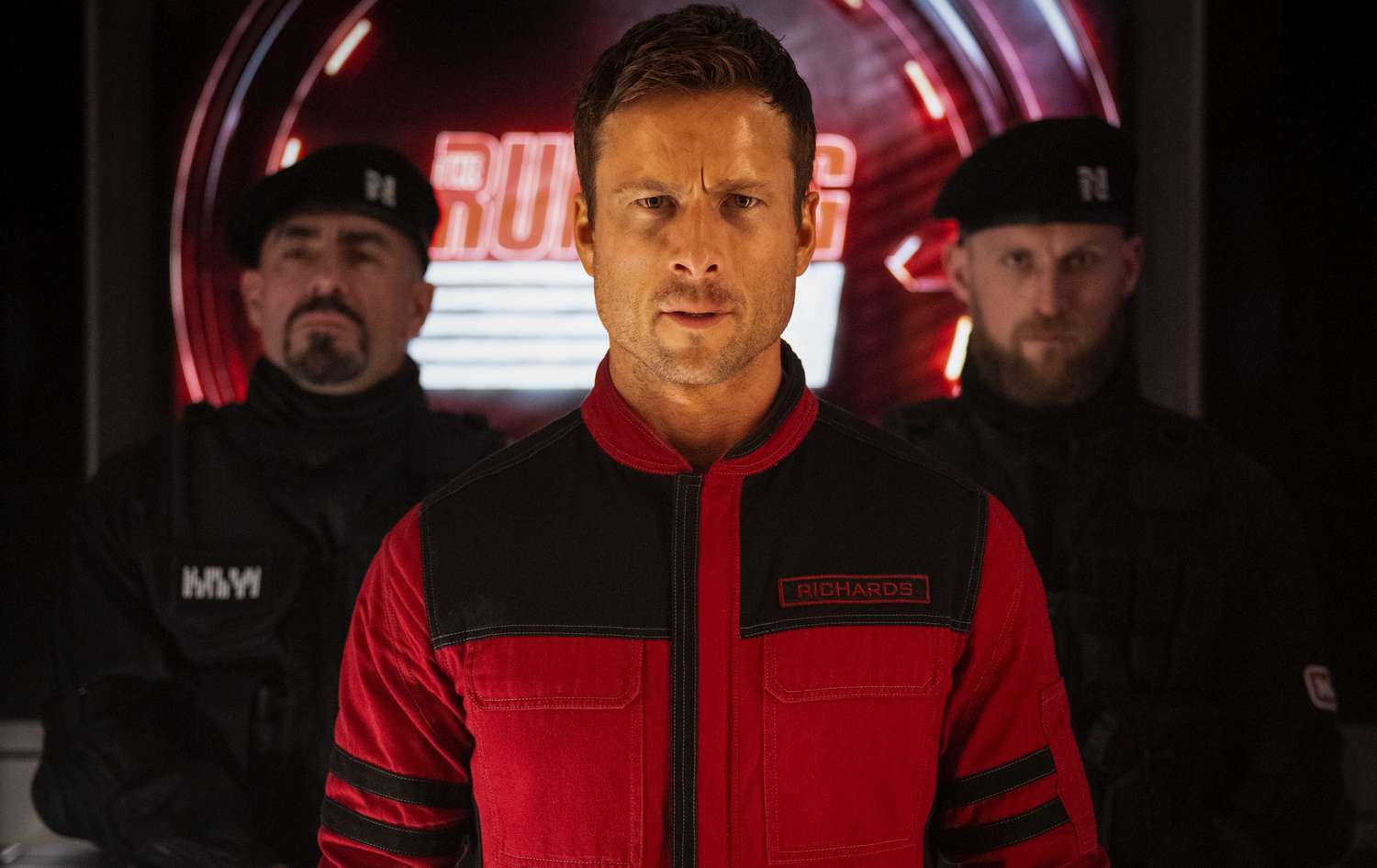 Edgar Wright’s Vision: Revitalizing Stephen King’s ‘The Running Man’ for Our Surveillance Economy Era
In an era increasingly defined by pervasive surveillance, economic disparities, and the commodification of human suffering for mass entertainment, the announcement of Edgar Wright’s adaptation of Stephen King’s (writing as Richard Bachman) 1982 dystopian thriller, ‘The Running Man,’ feels not just timely, but prescient. Forty-three years after its original publication, King’s chilling foresight into a future where desperation drives a deadly reality show is poised for a profound reinterpretation through Wright’s distinctive cinematic lens, promising to resonate deeply with the anxieties of our contemporary dystopian reality. This project transcends mere nostalgia; it offers a critical mirror to society, reflecting how far King’s fictional predictions have evolved into unsettling truths in the digital age.
The original novel paints a stark picture of a near-future America ravaged by economic collapse, environmental decay, and an oppressive, corporate-controlled government. To placate the masses and divert attention, a brutal game show, ‘The Running Man,’ offers impoverished contestants a chance at riches – if they can evade professional hunters for 30 days. The protagonist, Ben Richards, volunteers for the game to secure medical treatment for his ailing daughter, setting off a desperate fight for survival broadcast to millions. While the 1987 film adaptation starring Arnold Schwarzenegger leaned heavily into action and satire, Edgar Wright’s known meticulousness, sharp social commentary, and ability to blend genre with thematic depth suggest a much more faithful yet thoroughly modern take on King’s grim vision.
The Enduring Relevance of a Dystopian Masterpiece
Stephen King’s ‘The Running Man’ was groundbreaking in its examination of themes that have only intensified over the decades. The concept of reality television, barely a nascent idea when King penned the novel, has exploded into a global phenomenon. From competitive cooking shows to survival challenges, the public’s appetite for witnessing real-life drama, often at the expense of dignity or safety, remains insatiable. Wright’s adaptation has the unique opportunity to explore how this thirst for spectacle has evolved, perhaps incorporating elements of live streaming, social media virality, and crowd-sourced hunting, making the ‘game’ an even more intimate and inescapable nightmare.
Furthermore, the novel’s depiction of vast economic inequality and a struggling working class exploited by a wealthy elite strikes a particularly resonant chord today. The narrative’s core premise – a desperate man selling his life for a chance to save his family – speaks to the harsh realities faced by many in a gig economy marked by precarious employment and rising living costs. Wright, known for his ability to craft narratives that are both thrilling and thought-provoking, can delve into the systemic issues that create such extreme desperation, offering a powerful critique of capitalist exploitation and the erosion of social safety nets. This contemporary angle could elevate the film from a mere thriller to a profound piece of social commentary, particularly relevant as discussions around universal basic income and wealth distribution gain traction.
Edgar Wright’s Signature Style Meets King’s Grim Vision
Edgar Wright is celebrated for his kinetic filmmaking style, characterized by rapid-fire editing, ingenious use of music, and visually inventive sequences. From the zombie-comedy ‘Shaun of the Dead’ to the action-packed ‘Baby Driver’ and the psychological horror of ‘Last Night in Soho,’ Wright consistently demonstrates a mastery of genre conventions while injecting them with fresh perspectives and emotional weight. This distinctive approach could be transformative for ‘The Running Man.’
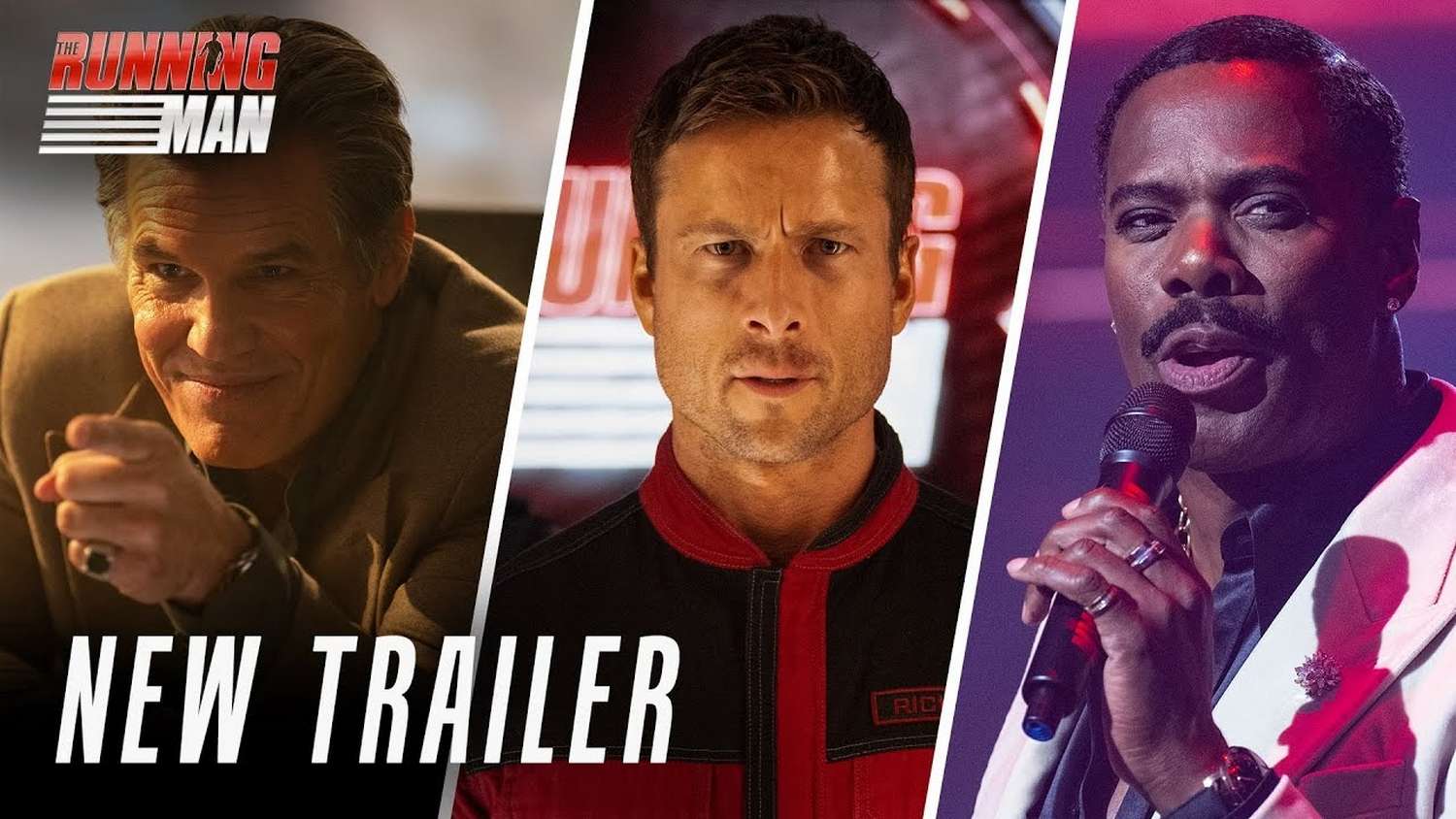
Imagine the tension heightened by Wright’s signature tracking shots as Ben Richards navigates an urban labyrinth, pursued by government ‘Hunters’ whose every move is meticulously choreographed and broadcast. The original novel’s grittiness and psychological torment, often overshadowed by the previous film’s action, could finally take center stage. Wright’s ability to build suspense through visual storytelling, coupled with his knack for dark humor, could create a truly unsettling and unforgettable viewing experience. The film could lean into the satirical elements of the original, but with a sharper, more biting edge, reflecting how absurd our reality has become in many respects.
- Technological Parallels: Modernizing the surveillance state with drones, facial recognition, and data tracking would make the game even more inescapable. The omnipresent cameras of King’s novel could become personal devices, citizen journalists, and AI monitoring systems, blurring the lines between participant and spectator.
- Media Manipulation: Wright can explore the intricate ways media manipulates public perception, turning a fugitive into either a villain or a folk hero, depending on the network’s agenda. The battle for narrative control in an age of misinformation and deepfakes would add another layer of psychological complexity.
- Socio-Economic Critique: The film offers a perfect platform to dissect the ever-widening gap between the ultra-rich and the struggling majority, showcasing how desperate circumstances lead individuals to make unimaginable choices for survival or for the welfare of their loved ones.
Beyond the Action: A Deeper Dive into Human Nature
While ‘The Running Man’ is undeniably an action-thriller, its true power lies in its exploration of human nature under extreme duress. Ben Richards is not a superhero; he is an ordinary man pushed to his limits. Wright’s adaptation has the potential to delve into the moral ambiguities of the game, exploring the psychology of both the hunted and the hunters, as well as the complicity of a viewing public desensitized to violence and suffering. The original King novel is far darker and more nihilistic than its film counterpart, and Wright’s take could reclaim that grim intensity.
The film could also explore the power dynamics between the network (the Games Federation) and the state, perhaps illustrating how corporate interests and governmental control have merged to create an even more oppressive system. In an age where digital corporations wield immense power over information and public discourse, this narrative thread is more potent than ever. ‘The Running Man’ becomes a cautionary tale not just about a dystopian future, but about the insidious creep of forces already at play in our present, urging audiences to consider the price of entertainment and the value of human life.
Anticipated Impact and Future Shock
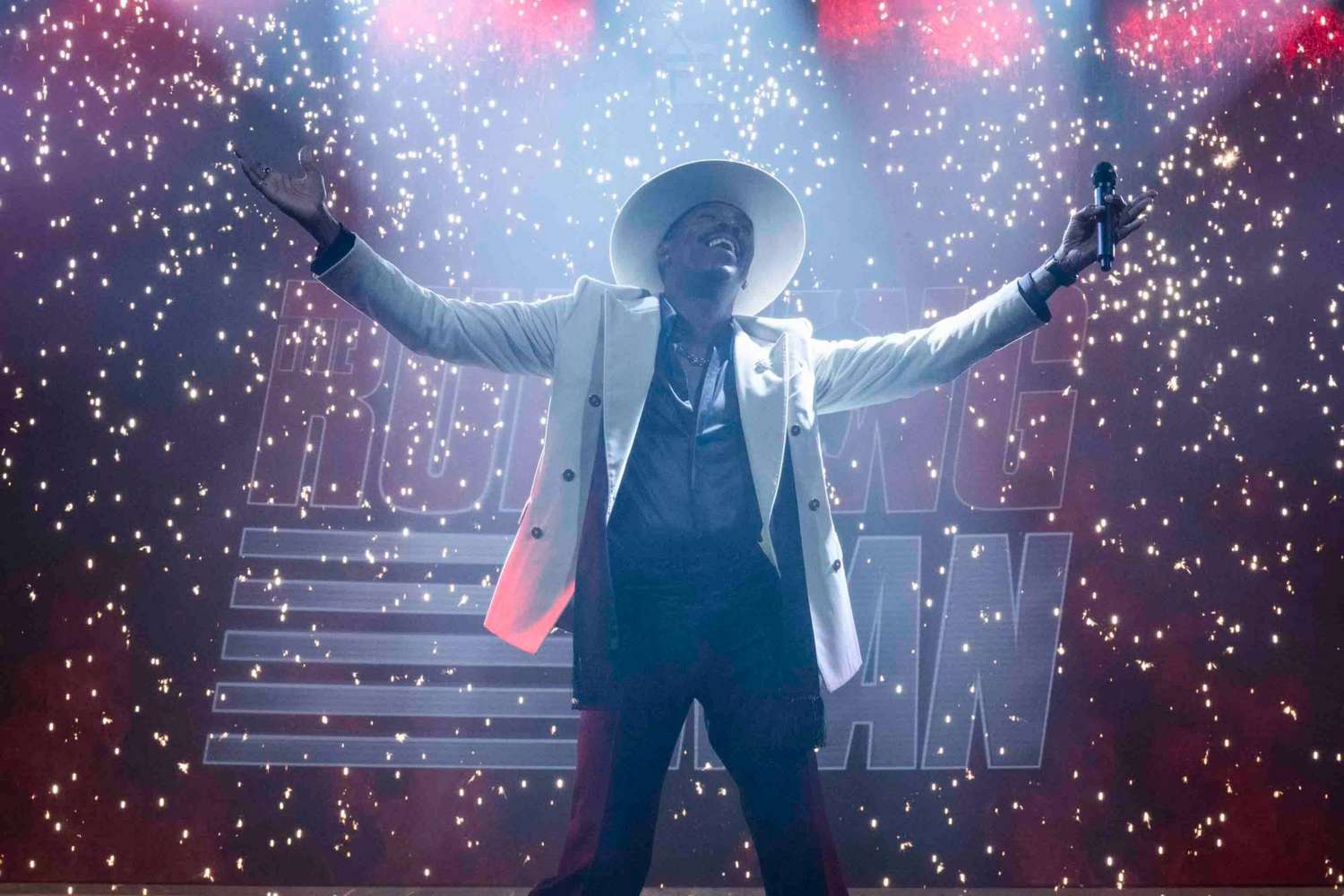
Edgar Wright’s ‘The Running Man’ has the potential to be more than just another cinematic adaptation; it could be a significant cultural event. By updating a 43-year-old Stephen King thriller for our current dystopian reality, Wright isn’t merely retelling a story; he’s holding a mirror up to society, forcing us to confront the uncomfortable truths of our surveillance economy, our insatiable appetite for reality entertainment, and the growing chasm of economic inequality. The film will likely spark crucial conversations about privacy, media ethics, and social responsibility, solidifying its place as a relevant and vital piece of modern cinema. As we continue to navigate a world increasingly resembling King’s grim prophecies, Wright’s masterful reinterpretation promises to be both a thrilling spectacle and a chilling wake-up call, reinforcing the enduring power of predictive fiction.