
The Irreverent Comparison: Unpacking the Distinct Market Realities of ‘Garfield Kart 2’ and ‘Hollow Knight: Silksong’



Popular Now
 Roblox
 Minecraft
 Black Myth: Wukong
 Brawl Stars
 Poppy Playtime
 The Legend of Zelda
 R.E.P.O
 Garena Free Fire: Kalahari
 Genshin Impact
 Rust
Rust
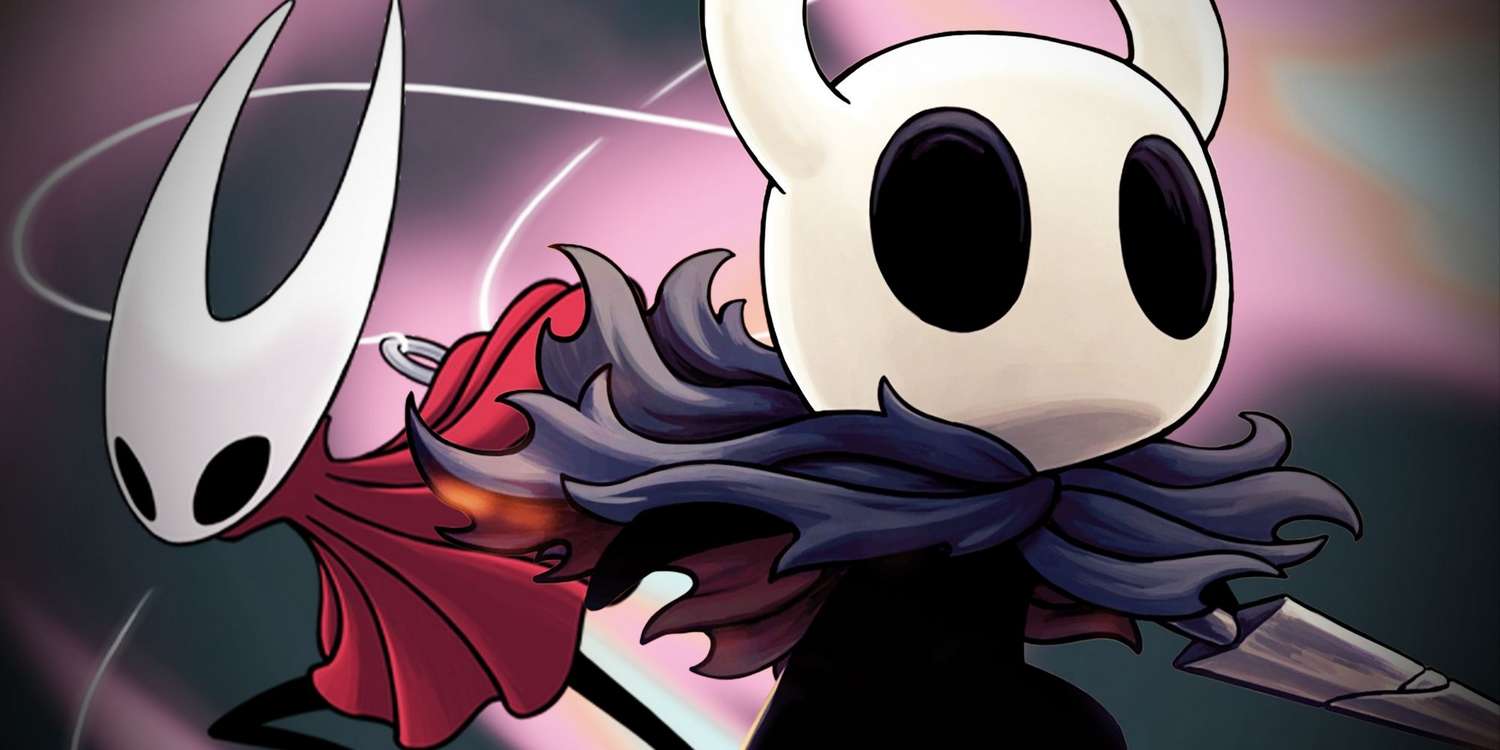 In the vast and ever-expanding universe of video games, a peculiar phenomenon often arises: the comparison of titles that, on the surface, share little to no common ground. A recent, albeit humorous, example pits a hypothetical ‘Garfield Kart 2’ against the highly anticipated ‘Hollow Knight: Silksong’. While the initial reaction might be a dismissive ‘Who cares, dude?’, a deeper dive reveals this seemingly absurd juxtaposition highlights critical aspects of the modern gaming industry: market segmentation, diverse player expectations, and the varied metrics of success for game developers and publishers. This article seeks to deconstruct this irreverent comparison, offering insights into why such disparate titles not only coexist but thrive in their respective niches, ultimately enriching the gaming ecosystem for a global audience.
Understanding the distinct market positions of these two theoretical contenders is paramount. On one side, we have the ‘Garfield Kart’ franchise, representing the accessible, family-friendly kart racing genre often leveraging established intellectual properties (IPs). These games are typically designed for casual players, often younger audiences or families seeking lighthearted entertainment. Key drivers for such titles include brand recognition, ease of play, and local multiplayer fun. Their success metrics often revolve around unit sales, licensing revenue, and broad demographic appeal rather than critical innovation or narrative depth. Keywords associated with this segment include casual gaming, family entertainment, licensed games, kart racing, and mass market appeal.
Conversely, ‘Hollow Knight: Silksong’ emerges from the legacy of one of the most critically acclaimed indie games of the last decade, ‘Hollow Knight’. ‘Silksong’ represents the zenith of the Metroidvania genre, a subgenre of action-adventure games known for intricate world design, challenging combat, deep lore, and rewarding exploration. Its target audience comprises dedicated gamers who value intricate mechanics, artistic vision, and a significant time investment to master complex systems. The anticipation surrounding ‘Silksong’ is immense, fueled by its predecessor’s reputation for near-perfect gameplay and aesthetic excellence. Success for titles in this category is often measured by critical reception, sustained player engagement, community discourse, and indie game awards. High-CPC keywords relevant here include Metroidvania masterpiece, highly anticipated indie game, platforming excellence, challenging gameplay, gaming community hype, and critical acclaim.
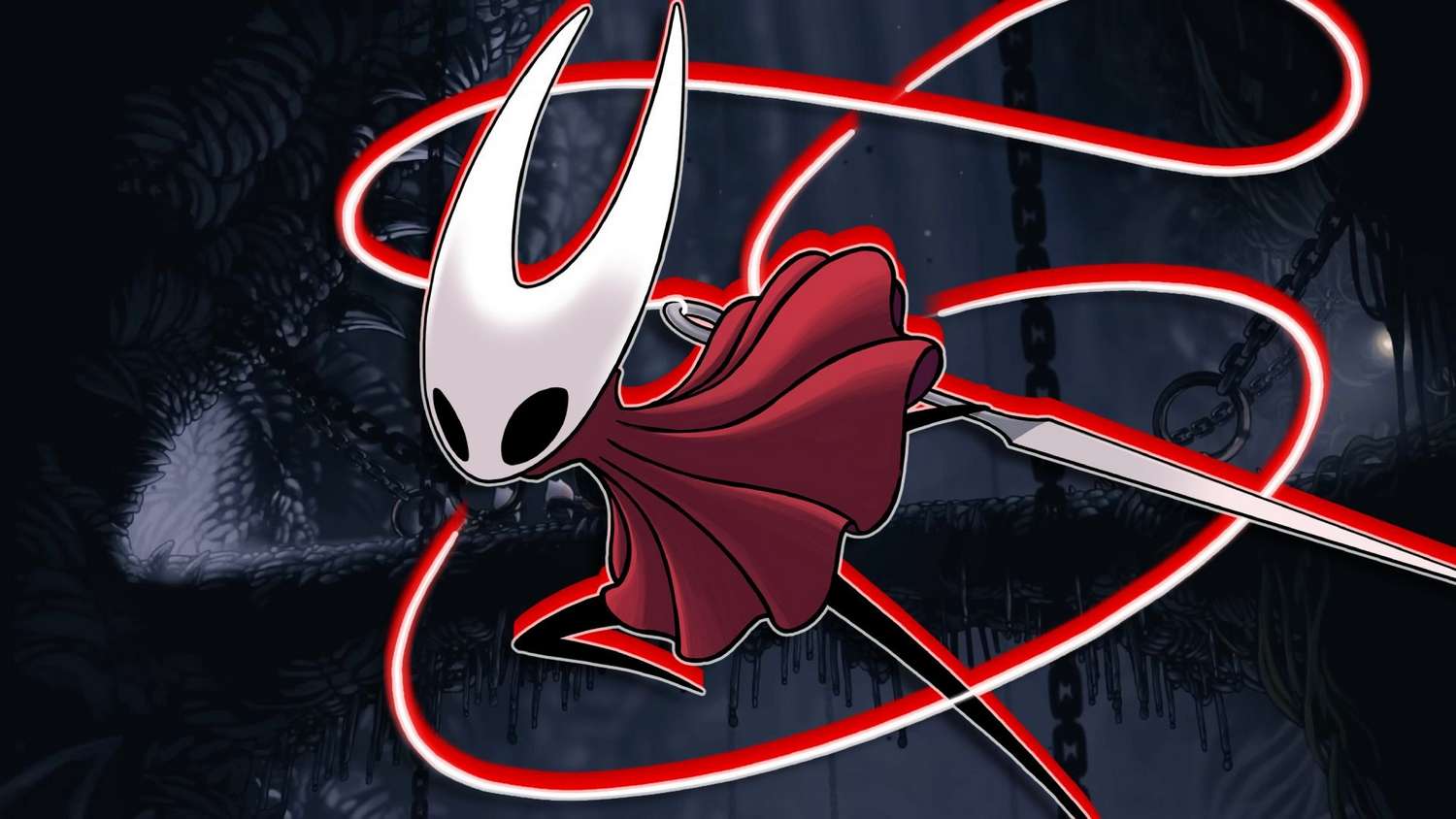 The Illusion of Competition: Different Metrics, Different Audiences
The very notion of ‘Garfield Kart 2’ competing with ‘Hollow Knight: Silksong’ is predicated on a misunderstanding of how the modern gaming market functions. These games are not vying for the same slice of the pie; they are catering to entirely different palates within the vast gaming feast. Consider the following points:
- Target Demographics: ‘Garfield Kart’ aims for younger players and casual gaming sessions. ‘Silksong’ is crafted for experienced gamers seeking depth and challenge.
- Gameplay Experience: One offers immediate, often chaotic fun with simple controls. The other demands precision, strategic thinking, and significant skill acquisition.
- Revenue Models and Budgets: Licensed kart racers often rely on established brand recognition for sales, with moderate development budgets. Indie giants like ‘Silksong’ build their success on innovation, artistic merit, and word-of-mouth marketing, often with leaner teams but dedicated fanbases willing to pay premium prices for quality.
- Marketing Strategies: ‘Garfield Kart’ might leverage mainstream media and retail shelf space. ‘Silksong’ thrives on dedicated gaming press, streaming platforms, and passionate community engagement.
- Developer Ambitions: While both aim to deliver enjoyable experiences, the underlying creative and commercial goals are vastly different. One seeks broad appeal and consistent sales; the other targets critical recognition and a loyal, engaged player base that appreciates sophisticated game design.
Therefore, to ask which one ‘wins’ is to fundamentally misunderstand their purpose. Both contribute to the health and diversity of the gaming industry, providing options for every type of player, irrespective of their preference for cartoon cats or brooding insect knights.
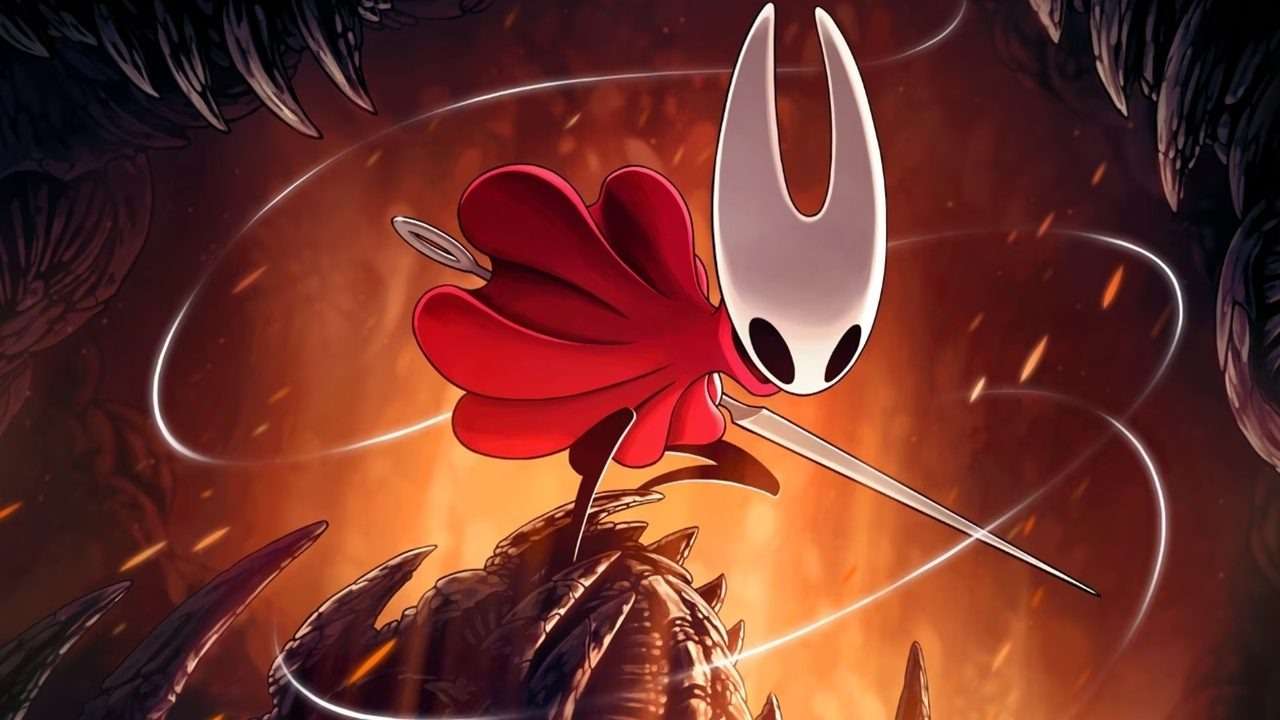 Navigating the Evolving Gaming Landscape: Indie Power vs. Brand Loyalty
The rise of independent game development has democratized the industry, allowing smaller studios to create experiences that rival or even surpass AAA titles in terms of innovation and critical acclaim. ‘Hollow Knight’ is a prime example of this paradigm shift, demonstrating that compelling gameplay and artistic vision can resonate profoundly without the backing of a multi-million dollar marketing campaign. The anticipation for ‘Silksong’ underscores a significant trend: players are increasingly seeking out unique, handcrafted experiences that offer genuine challenge and narrative depth, often from independent developers.
Conversely, the enduring appeal of licensed games, even those in more casual genres, highlights the power of brand loyalty and accessibility. For many, a ‘Garfield Kart’ title isn’t about pushing the boundaries of game design; it’s about reliable fun with a beloved character. This segment remains crucial for introducing new players to gaming and offering light, low-commitment entertainment options. This duality ensures a robust market where there is room for both the innovative, deep experiences and the familiar, comforting ones.