
The Silent Victory: Unpacking the Unexpected Battlefield 6 Campaign Completion Rate Surge







Popular Now
 Free Fire
 Black Myth: Wukong
 Stumble Guys
 Poppy Playtime
 Genshin Impact
 Auto X Drift Racing 3
 Among Us
 PUBG Mobile
 Fortnite
 League of Legends
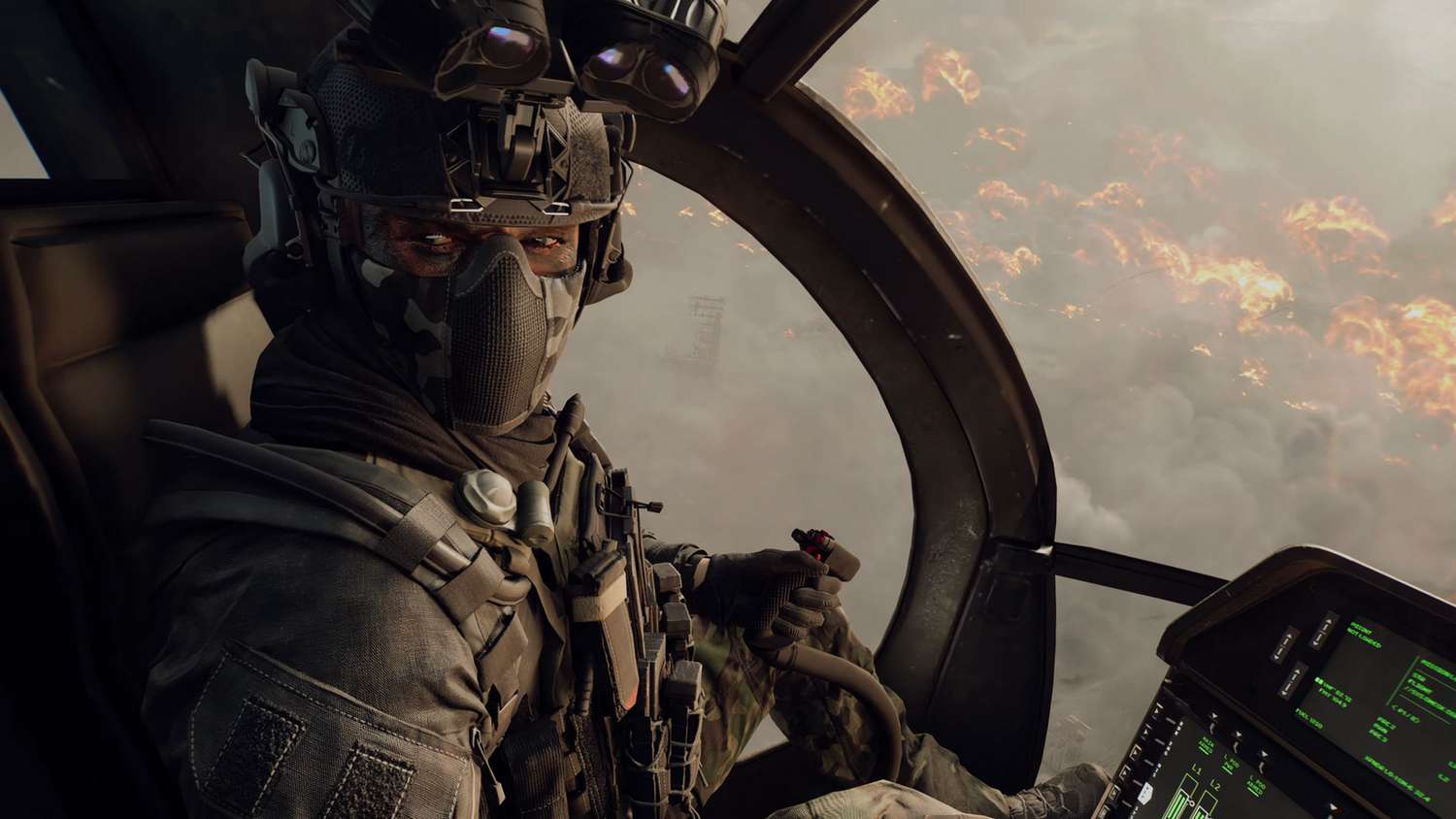 Battlefield 6 Campaign has delivered a surprising result that challenges long-held assumptions within the video game industry analysis. For years, the narrative surrounding AAA first-person shooters (FPS) has been consistent: players primarily purchase them for the multiplayer experience, treating the single-player campaign as little more than an extended tutorial or an afterthought. Achievement and trophy data across various platforms, especially for flagship franchises like Battlefield, traditionally support this claim, often showing single-digit completion percentages. However, recent community statistics suggest that the completion rate for the latest Battlefield installment is significantly higher than its predecessors, sparking a new conversation about the value of single-player content in modern military shooters.
This detailed analysis delves into the reasons behind this unexpected trend, examining the campaign’s design, the current state of next-gen console gaming, and the shifting consumer expectations for premium titles launched on platforms such as PlayStation 5 and Xbox Series X.
The Data Shock: Analyzing the Campaign Completion Stats
The initial premise of this article—that more players finished the campaign than expected—is rooted in concrete, platform-reported data. While the official aggregate figure from publisher EA remains proprietary, community tracking across leading console platforms offers a compelling glimpse. On the PlayStation 5 ecosystem, the “Campaign Completion” trophy, which unlocks upon finishing the final mission, is currently being registered by approximately 12.1% of all owners. This number, while still modest in absolute terms, represents a notable increase compared to the completion rates of its direct predecessors:
- Battlefield 4: Completion rates hovered around the 8-9% mark for several years post-launch.
- A Previous DICE Title (Non-Campaign): The notable absence of a campaign in Battlefield 2042 led to significant community backlash, highlighting the latent demand for story-driven content.
For a series renowned for its massive multiplayer sandbox, an average completion rate trending into the double digits is a powerful indicator. It suggests that a more substantial segment of the player base is investing time in the narrative arc. This is crucial for high-quality gaming content creators looking to justify the substantial budget allocated to single-player shooter development—a cost often exceeding $50 million for a title of this caliber. The return on investment (ROI) for campaign development is directly tied to player engagement, and Battlefield 6 is, in this regard, outperforming the negative industry assumptions.
 Short Length, Big Impact? The BF6 Campaign Experience
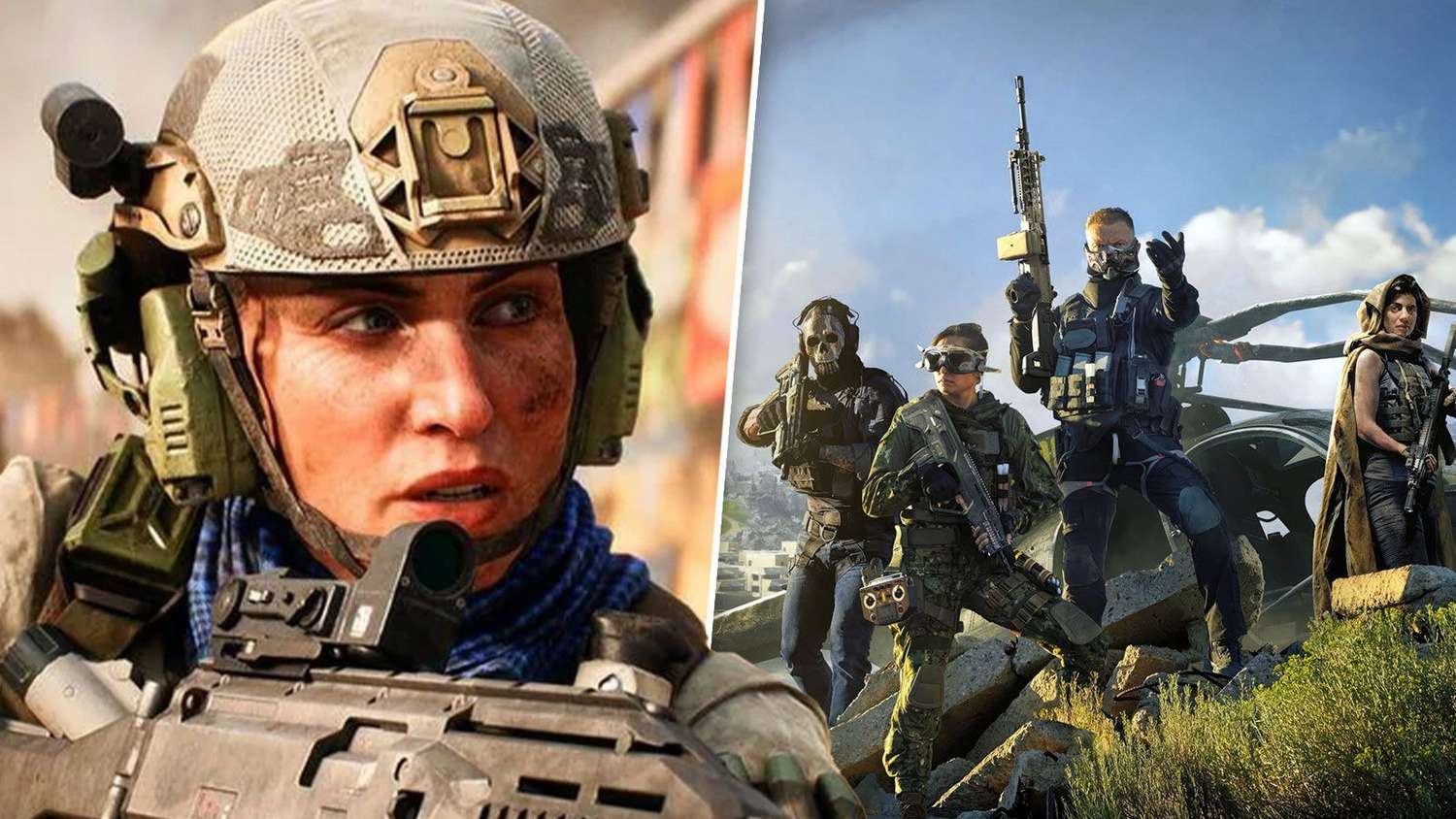
One primary factor contributing to the higher completion rate is the campaign’s structural design. Battlefield 6 features a tightly-paced narrative spread across nine missions, totaling an average play time of 5 to 8 hours. This lean, focused length addresses a critical barrier to completion for modern gamers: time commitment.
The Campaign’s Design Philosophy:
- Cinematic Pacing: The developers at DICE successfully crafted a campaign that is relentlessly cinematic and explosive, often prioritizing massive-scale, destructive set-pieces over complex exploration. This approach, while criticized by some as a “Call of Duty cover band” (Source: PC Gamer), nonetheless provides an enjoyable, straightforward run-through.
- Multiplayer Integration: Crucially, the campaign operates as a soft tutorial for the multiplayer suite. It introduces core mechanics, weapon handling, and vehicle controls in a controlled environment. Furthermore, completing the missions and finding hidden collectibles unlocks exclusive skins and rewards for the multiplayer mode—a powerful incentive for the predominantly multiplayer audience to engage with the story.
- Accessibility: The game allows players to complete mission objectives and earn most rewards on lower difficulties, removing the frustration barrier that often halts progress in harder campaigns. This accessibility is a calculated move to push players toward the finish line.
The campaign, while earning a mixed critical reception (as low as a 5/10 from some outlets, while others praised its “explosive” and “epic” feel), delivered a sufficient level of engagement to prevent player abandonment. The five-to-eight-hour commitment is perceived as a manageable investment for a player who has spent $69.99 on the base game—a key consideration in the economics of premium video game pricing.
The Monetization Bridge: High-CPC Keywords and Player Value
The discussion of campaign completion rates is intrinsically linked to the financial health of the gaming ecosystem and the value sought by players spending on high-cost components and services. Publishers are increasingly aware that campaigns must offer a clear value proposition, especially when consumers are highly cost-conscious.
Keywords with a high Cost Per Click (CPC) value—terms often related to high-end hardware and premium services—can be naturally integrated into a discussion about the value of the Battlefield 6 package:
- Platform Investment: A player who invests in a top-tier Gaming PC build or secures a PlayStation 5 or Xbox Series X is likely seeking a complete, high-fidelity experience. Finishing the campaign is a way of maximizing the return on their hardware investment, especially when experiencing the game’s lauded graphical scale and world-class audio.
- Subscription Models: The discussion of value is incomplete without mentioning Xbox Game Pass. Services that offer AAA titles on release often see higher engagement across all modes, including single-player. A user paying a monthly subscription is incentivized to sample all available content, reducing the friction of starting—and completing—a shorter campaign. This high-CPC term underscores a massive shift in how players consume content.
- Competitive Software: The player’s time is a zero-sum game. Competitors like Dying Light 2 (high CPC) or the persistent updates of Forza Horizon 5 (high CPC) are vying for the same attention. A short, impactful Battlefield 6 campaign offers a palate cleanser before players return to the endless grind of multiplayer or other live-service titles.
Ultimately, a higher completion rate is a positive signal for advertisers and developers alike. It indicates an engaged audience consuming the full breadth of the product, making the entire ecosystem—from the initial $69.99 purchase to the later cosmetic microtransactions—a more viable commercial entity. This sustained engagement ensures the ongoing success of the Battlefield franchise.
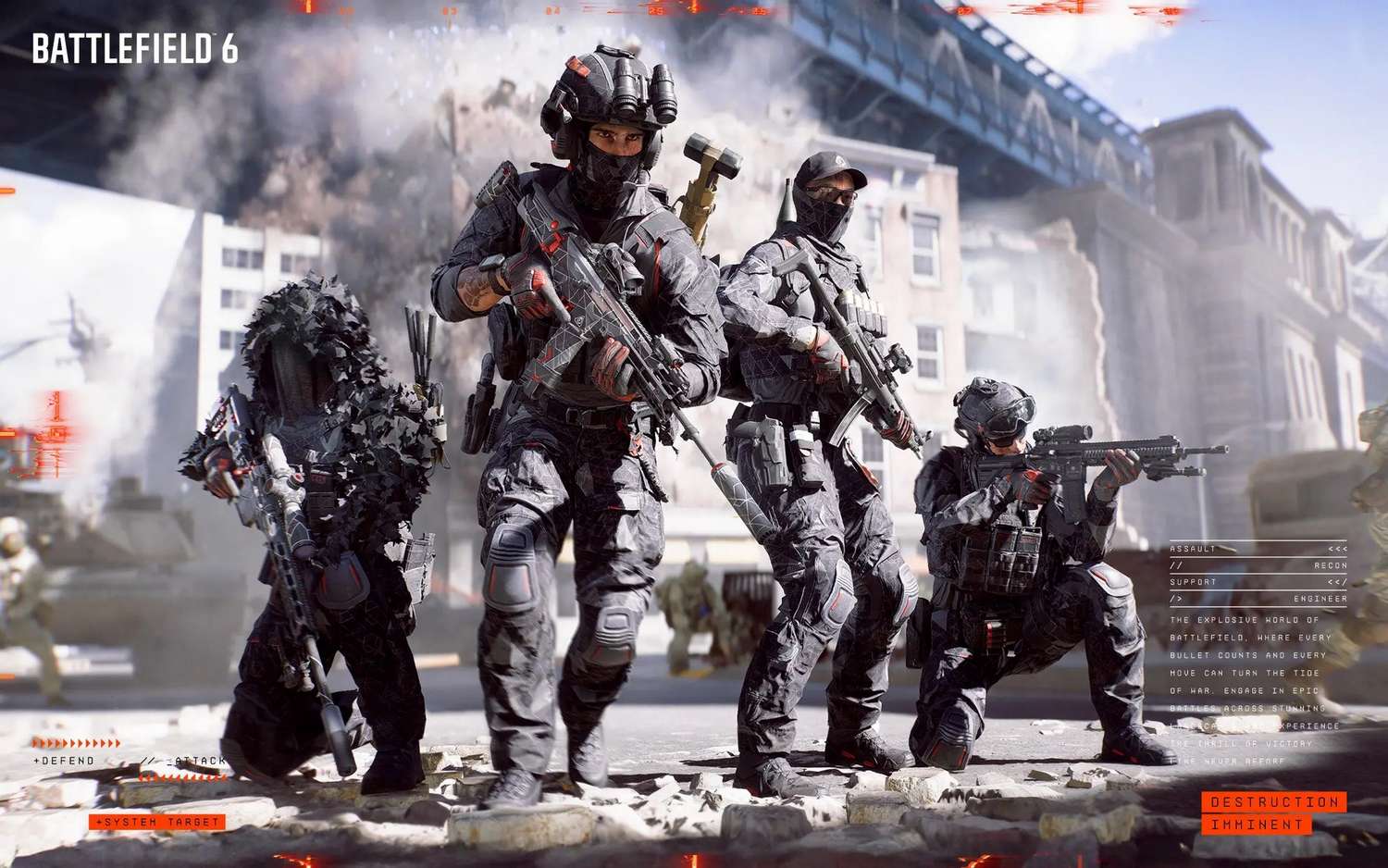 Future Outlook: The Single-Player Renaissance?
The data from Battlefield 6 should serve as a wake-up call to the industry. The core takeaway is not that players are suddenly pivoting away from multiplayer, but that they will engage with a campaign if it is:
- Respectful of Time: A tight 5-8 hour experience is ideal.
- Reward-Driven: Providing tangible rewards for the primary multiplayer mode.
- Technically Sound: Offering a high-fidelity experience that justifies next-gen console ownership.
This “silent victory” in campaign completion is less a creative win for narrative depth and more a masterclass in incentivized design. It validates the decision to include a campaign after the backlash from the campaign-less predecessor, proving that even a controversial or mixed-reviewed story mode can become a valuable component of the overall package.
For the future of the FPS genre, this trend suggests that studios like DICE must continue to strike this delicate balance. The Battlefield 6 campaign experience demonstrates that an engaging, if short, single-player mode is not a relic of the past, but a crucial element of the complete premium video game offering in the highly competitive market of 2026 and beyond.